

Did you know that as a pilot, your risk-taking increases when you get less sleep?
The science behind this finding is absolutely clear—performance degrades with increased time awake, sleep deprivation and not being aligned with your circadian cycle.
Aviation industry experts discuss fatigue risk management in a video released by CASA to coincide with the recent announcement of new fatigue rules.
The video discusses the importance of cultural change to ensure pilot performance is optimised, while still maintaining operators’ abilities to conduct their operations.
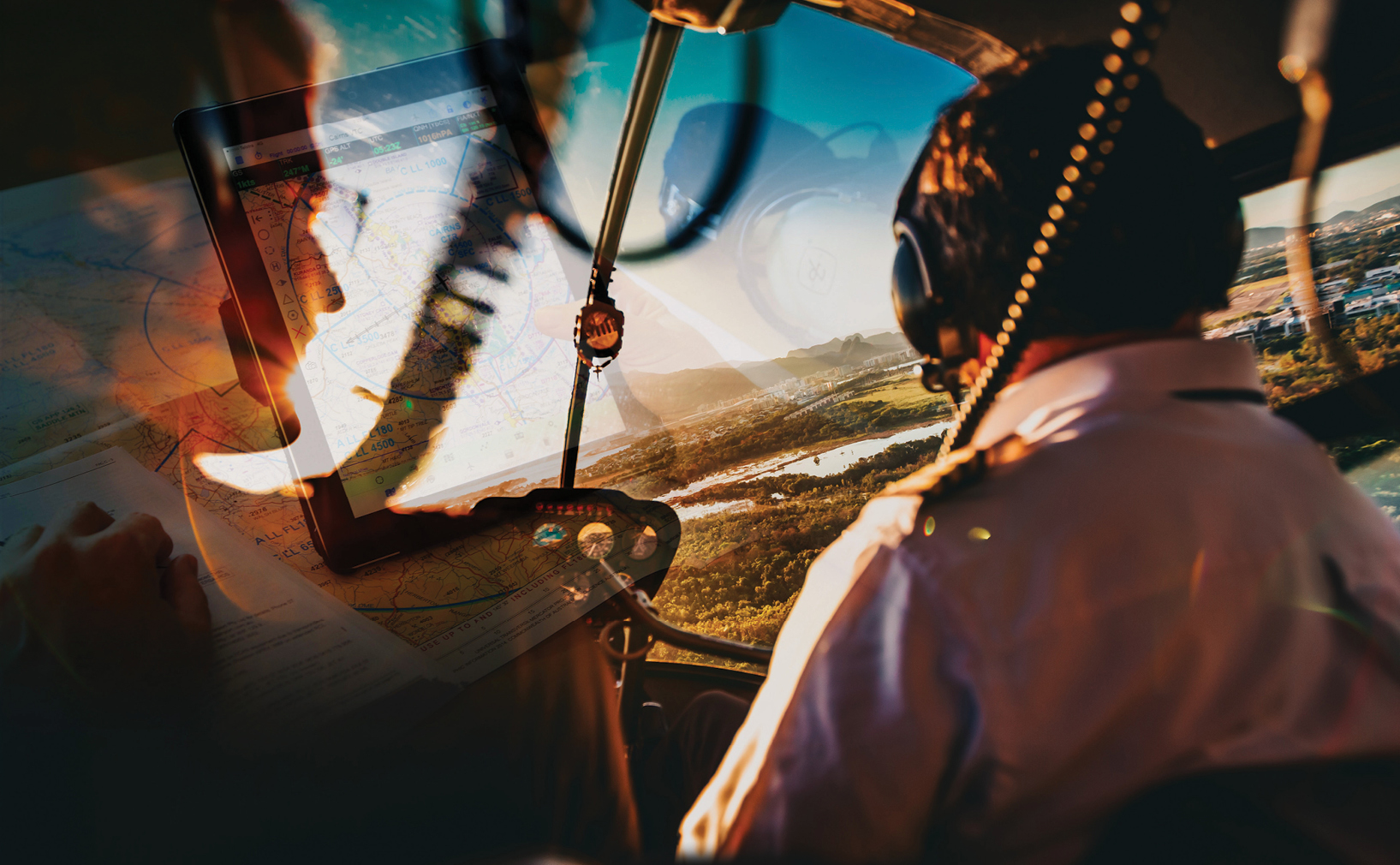
Steve Nota, an Aviation Advisor with Woodside Energy, points to an incident when he was flying helicopters for the US Navy. On an early morning mission, he handed over the controls to his co-pilot, but the next thing he knew, he was waking up from a microsleep.
‘The worst part was that when I woke up, the guy who was supposed to be flying the aircraft was asleep as well and also my aircrewman was asleep,’ he says. ‘I didn’t know how long everyone had been asleep—fortunately it had just been a matter of seconds or minutes—but that scared us all and we made a beeline back to the ship.’
Professor Drew Dawson of the Appleton Institute at CQUniversity, who is recognised nationally and internationally for his work on sleep and fatigue research, says it’s widely known lack of sleep is a problem.
‘If I go into a workplace, everybody can tell me an example of something that nearly caused somebody to die as a result of fatigue,’ he says. ‘In professions such as healthcare and aviation, a number of stories are … challenging, to say the least.’
Associate Professor Matthew Thomas, also from the Appleton Institute, points to the implications of fatigue on the flight deck. ‘Where one or other of the crew members in a multicrew environment has had less than five hours sleep, we see about twice as much error,’ he says.
In Australia, fatigue rules for transport industries had once been based on the science of the 1940s and 50s. But science has come a long way since then and rules have been updated accordingly. Recently, CASA has amended flight duty periods to reflect the latest scientific studies on fatigue.
Further information on the new fatigue rules can be found at: www.casa.gov.au/fatigue
Flight Safety Australia: back in print
- Flight Safety Australia is available now by subscription from the CASA Online Store for $39.95 for four issues a year, delivered to your door in Australia.
- Subscribe now to receive the Summer issue as your first.
Subscribe at shop.casa.gov.au

Comments are closed.