


An Australian-designed engine has powered the test flight of the world’s first electric commercial aircraft.
While the history-making flight in Canada was only 15 minutes, the entrepreneurs behind the project say it signals the start of the third era in aviation—the electric age. And they are determined to build on this first step in their quest to have the world’s first all-electric commercial fleet.
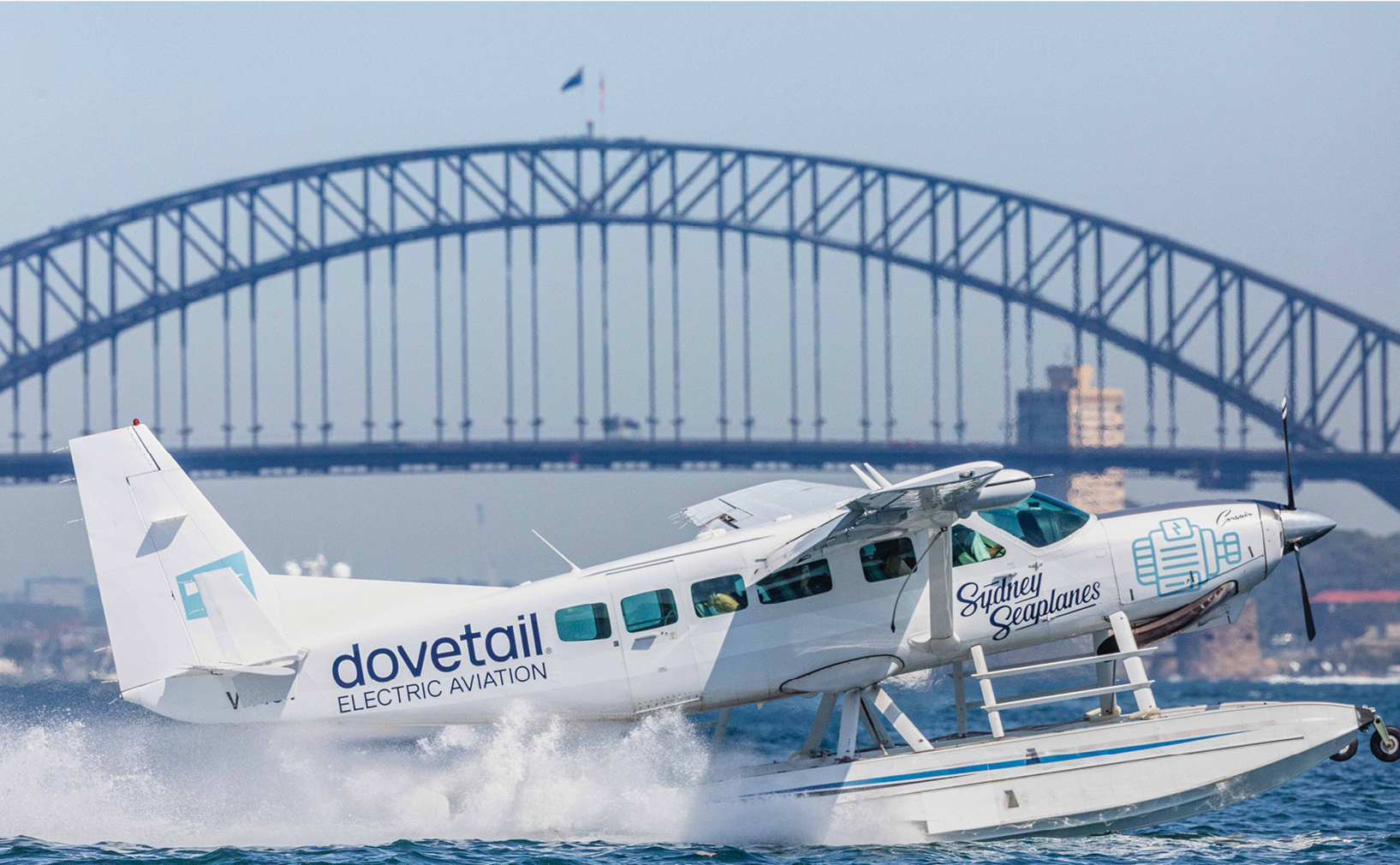
The successful flight of the ‘ePlane’, a six-passenger de Havilland DHC-2 Beaver, took place from the Harbour Air Seaplanes terminal in Vancouver.
The engine was a 750-horsepower magni500, supplied by Gold Coast firm magniX, that was unveiled at the Paris Air Show in June 2019.
Earlier this year, Harbour Air announced its partnership with magniX and the company’s intention to build the world’s first completely electric commercial seaplane fleet. The two companies will now begin the certification and approval process for the propulsion system and retrofitting of aircraft.
CEO of magniX Roei Ganzarski said it was in December 1903 that the Wright brothers launched the aviation age with the first flight of a powered aircraft.
‘Today, 116 years later, with the first flight of an all-electric powered commercial aircraft, we launched the electric era of aviation,’ he said.
‘The transportation industry and specifically the aviation segment that has been, for the most part, stagnant since the late 1930s, is ripe for a massive disruption. Now we are proving that low-cost, environmentally friendly, commercial electric air travel can be a reality in the very near future.’
Harbour Air CEO and founder Greg McDougall flew the aircraft.
‘Today, we made history,’ he said. ‘Canada has long held an iconic role in the history of aviation and to be part of this incredible world-first milestone is something we can all be really proud of.’

Comments are closed.