
A pilot may not know about a new fence, an unmarked wire or vehicles moving through a work area.
Property staff may not know where they can safely stand or when they should approach an aircraft.
Four new Farmsafe Australia Toolbox Talks help people discuss these risks before work starts.
Developed with support from CASA and input from across the industry, they support aviation work on farms, stations and other rural properties.
Andrew Sillis, CASA Section Manager Safety Campaigns, said safety discussions should bring together aviation expertise and local knowledge.
‘Pilots know their aircraft and the operation. Landholders and property staff know the property,’ Andrew said.
‘Sharing that information before work starts helps everyone understand the hazards, their responsibilities and how the job will run.’
Choose the resource for the job
The Agricultural Aviation talk provides an overview of common safety risks and shared responsibilities for pilots, aviation operators, farmers and others involved in agricultural aviation activities.
Three additional talks cover specific activities:
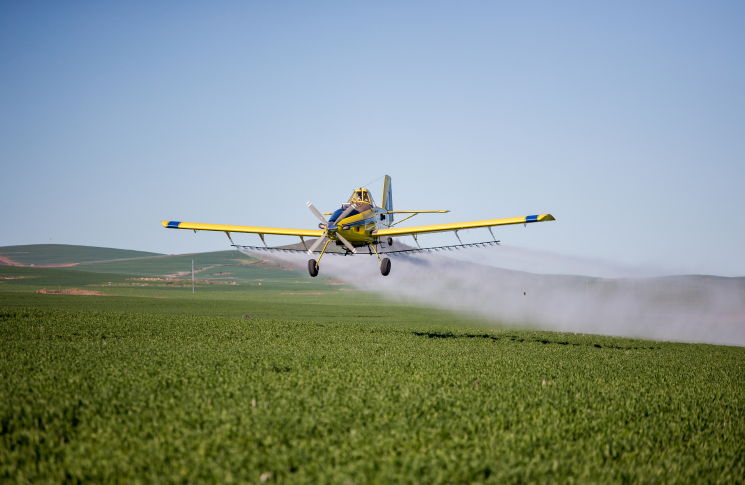
- aerial application: property hazards, spray drift, chemical handling, loading areas and private airstrips.
- helicopter mustering: coordination with ground crews, livestock movements, helicopter safety and fatigue.
- drone operations: other airspace users, equipment checks, battery safety, operating requirements and ground activities.
Each resource includes checklists, discussion questions, a case study, facilitator guidance and sign-off sheets.
Stevi Howdle, Farmsafe Australia Executive Officer, said the resources provide a starting point for practical safety discussions.
‘You don’t need to start from a blank page,’ Stevi said.
‘Choose the sections that suit your property and the work, then use the questions and checklists to get people talking.
‘Ask what could go wrong, what needs to happen and whether everyone understands the plan.’
Share it when arranging work
Send the relevant talk to your client with the job details.
Ask them to consider the sections relevant to their property, workers and planned activities.
Use these to discuss local hazards, work areas and arrangements before flying begins.
‘Sharing the talk when you arrange the job gives your client time to prepare,’ Andrew said.
‘They can identify property hazards and other activities you need to know about before you arrive.’
Use it in your usual briefing
Choose the sections that suit the job and use them alongside your existing procedures.
Invite landholders, property managers and ground crews to share local knowledge. Check that everyone understands:
- the hazards and planned work
- where people, vehicles and livestock can move
- their roles and responsibilities
- how they will communicate
- when to pause or stop the work.
Keep communicating throughout the operation. Review the plan if weather, visibility, ground activities or other conditions change.
‘Make it clear that people can raise concerns, and support decisions to pause or stop,’ Andrew said.
‘If conditions change, discuss what that means for the job before continuing.’
The talks support safety discussions. They do not replace tailored inductions, training or safety procedures.
Download the Toolbox Talks for your next job.