
Ben Dawson started at Endeavour Energy nearly 20 years ago as an apprentice on the powerlines. He later worked in maintenance and inspections before moving into innovation and technology. ‘I was entrusted with initiating and implementing our drone inspection program, supported initially by an innovation grant,’ he says.
Building the program
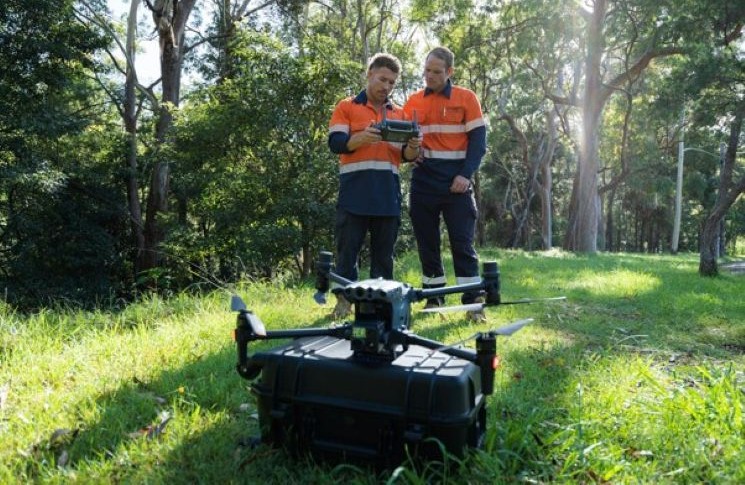
Ben set up the approvals, training and systems for the new program. ‘Serving as maintenance controller and senior remote pilot, I’ve trained more than 70 team members to safely operate under Endeavour Energy’s remotely piloted aircraft operator’s certificate (ReOC),’ Ben says. He also completed his instrument rating exam to prepare for beyond visual line-of-sight operations. Within 2 years, the team had shifted from helicopters to automated drone inspections using laser light to measure distances.
Safer communities
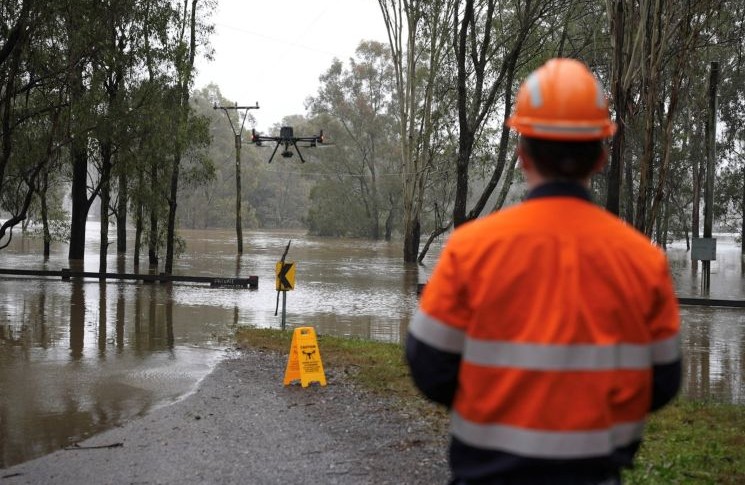
The shift made a big difference. ‘The transition to drone-based inspections for our annual powerline safety inspection program resulted in a three-fold increase in defect identification,’ Ben says. High-resolution images mean faults are caught earlier and maintenance can be targeted to high-risk areas. The move has also reduced emissions by about 80% compared to helicopters, supporting Endeavour Energy’s net zero target.
Safety every step
Training sits at the heart of the program. ‘Emerging drone operators complete rigorous training covering CASA regulations, standard operating procedures, risk assessment and practical skill assessments,’ Ben explains. Regular safety briefings and detailed flight planning reinforce this culture.
He values the chance to share lessons outside the company as well. ‘Representing Endeavour Energy at industry forums, such as the Australian Association for Uncrewed Systems conference, reinforced the importance of collaboration and knowledge sharing within the drone community,’ he says.
Stand-out moments
A career highlight was the annual powerline safety inspection program in 2024. ‘It was the biggest uplift in drone usage we’ve ever done, inspecting around 150,000 poles with around 24 pilots,’ Ben recalls. ‘From training to automated routing and process improvements, the team had a lot to do, but everyone came together.’
Advice for operators
Ben’s tips for drone flyers include ensuring appropriate pre-flight planning and investing in training and development.
‘Always conduct thorough pre-flight planning, including route risk assessments and checks for airspace and regulatory restrictions,’ he says.
‘Prioritise ongoing training, staying updated with CASA regulatory changes … and constantly reinforcing a strong safety culture.
‘For newcomers, invest time in foundational training, stay updated on regulatory requirements and build partnerships with experienced service providers.’
Even experienced operators need to keep learning. ‘The rate of technological advancement and regulatory evolution is remarkable,’ Ben says. ‘It highlights the importance of continuous learning and adaptation, even for experienced operators.’
Ben urges commercial operators to use tools that reduce mistakes. ‘Leverage automation technology, such as automated routing, to reduce human error,’ he says. Strong teamwork matters as well. ‘Maintain effective communication and situational awareness during operations.’
Looking ahead
Ben believes drones will remain central to safety and innovation. ‘The drone industry in Australia is at a pivotal moment, with incredible opportunities for innovation, safety improvements, and environmental benefits,’ he says.
If you would like to feature in drone flyer diaries, please email us.