


‘You need to lose some weight.’
That’s a phrase no person wants to hear from anyone, least of all their doctor, but the words struck me hard. My blood pressure was creeping up and my blood test returned results that were bordering on pre-diabetes.
Like so many people in middle age, my weight gain was insidious – a kilo a year at the most. But, over a decade, that’s 10 kg – the exact amount the doctor suggested I lose to bring my body mass index (BMI) down to ‘normal’.
‘Have you heard of Ozempic?’ he asked.
One would have to be living under a rock to not have heard of Ozempic. During COVID-19, celebrities feared weight gain and embraced Ozempic with gusto. Social media was full of weight loss stories, cautionary tales of ‘stars who had gone too far’ and stories of worldwide shortages due to the rich and fabulous ‘robbing’ diabetics of their medicine.
However, it’s not just celebrities who have embraced weight-loss drugs. According to data from the RACGP, between January 2021 and January 2022, the number of PBS/RPBS semaglutide (Ozempic and Wegovy) prescriptions in Australia increased significantly, with a peak of 96,504 in March 2022.
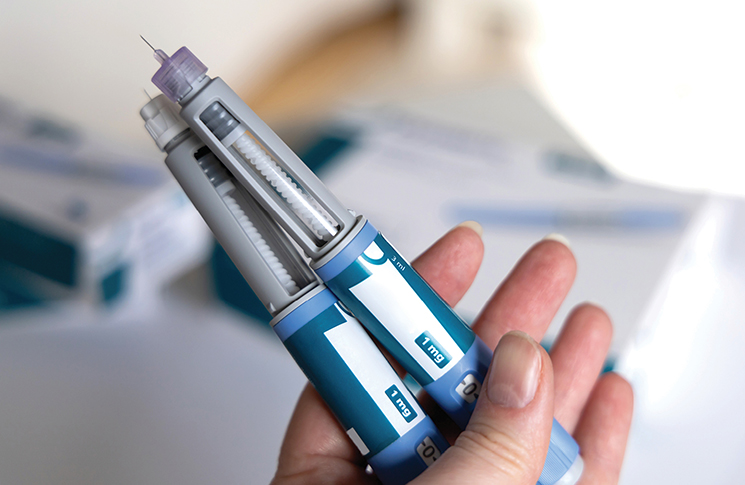
While my test results didn’t qualify me for Ozempic, as I’m not diabetic, the doctor prescribed Wegovy, which is the same drug – semaglutide – packaged for weight loss.

Understanding Semaglutide
In the aviation sector, where physical and cognitive performance is paramount, peak health is essential to safety. While aviation medical standards have long emphasised cardiovascular fitness and weight management, the pharmaceutical breakthrough – semaglutide – is changing the landscape. This medication, originally developed for diabetes management, is now making waves in our industry as a highly effective weight loss aid.
Semaglutide was originally prescribed for Type 2 diabetes under brand names such as Ozempic and Rybelsus. Recently, Wegovy (available in higher doses than Ozempic) was approved for weight‑loss management and has gained prominence due to its effectiveness in reducing body weight. By mimicking the effects of natural hormones that regulate blood sugar and appetite, semaglutide slows gastric emptying, increases insulin secretion and decreases hunger, leading to significant and sustained weight loss in many patients.
Weight management and aviation
Obesity is a growing concern in the aviation industry, with many pilots struggling to maintain a healthy weight due to the sedentary nature of their jobs and irregular meal schedules. Excess weight is associated with an increased risk of hypertension, sleep apnoea and cardiovascular disease, conditions that can jeopardise a pilot’s medical certification. Semaglutide’s ability to facilitate weight loss presents a compelling option for pilots seeking to meet aviation medical standards without extreme lifestyle modifications.
Victorian-based flying instructor Carl Brewer was prescribed Wegovy by his DAME early this year. Currently grounded due to an ongoing heart condition, he took the opportunity to manage his weight while on leave from flying. ‘This medication has changed my life,’ he said. ‘I’ve lost 19 kgs to date and have suffered no side effects at all.’
Bankstown-based DAME Dr Robert Massera has a special interest in weight control for pilots. ‘Being within the safe weight and balance envelope is as important to pilot fitness-to-fly as it is to aircraft safety,’ he says. ‘Effective weight loss with medications like semaglutide can help pilots reduce their BMI and meet medical certification requirements. Weight loss of just 5% to 10% leads to improved metabolic health, which can reduce the risk of Type 2 diabetes, high blood pressure and cardiovascular disease. Finally, weight loss decreases the risk of sleep apnoea and improves sleep quality, which is crucial for fatigue management in aviation.’
CASA considerations
Despite its benefits, the use of semaglutide among pilots is not without regulatory concerns. The Civil Aviation Safety Authority (CASA) has strict medication policies to ensure that no drug compromises cognitive function or alertness in the cockpit.
CASA’s Principal Medical Officer Dr Kate Manderson says the aviation medicine section is currently reviewing the safety profile of this class of medications, whether used for diabetes, weight management or reducing cardiac risk.
‘Weight loss medications in the group including Wegovy and Ozempic are being used more often in Australia and are now registered for this use with the Therapeutic Goods Administration (TGA),’ she says. ‘Due to some serious potential side effects, CASA considers these to be Category B medications, which must have a four-week ground trial and clearance by a DAME at the start of treatment, and self-grounding with DAME clearance if any side effects occur on ceasing treatment.’
In January this year, the Australian Government committed to listing Wegovy on the Pharmaceutical Benefits Scheme for patients with severe obesity and cardiovascular disease.
Dr Massera adds, ‘You must inform your DAME before starting semaglutide. You should provide the following information: your weight management goals and any related medical concerns, the dose and proposed treatment duration, any side effects experienced, any other medications or medical conditions you have. Your DAME will submit this information to CASA who will assess whether semaglutide is compatible with your medical certification.’
During the ground trial of 4 weeks, you must not fly, Massera says. ‘This [period] is to assess for the development of any aero-medically significant medication-related side effects. A two-week ground trial is required whenever the dosage is changed. If you experience any aero‑medically significant symptoms, these must be resolved prior to returning to flying.’
Safety and performance considerations
While semaglutide has shown promising results in weight management, pilots must be mindful of potential inflight implications.
Pilots considering semaglutide should work closely with their DAME to monitor their response to the medication and ensure compliance with aviation medical guidelines.
‘While generally safe, people may experience significant gastrointestinal symptoms such as stomach upset, nausea, diarrhoea, or neurological issues such as headache, fatigue and dizziness,’ Manderson says. ‘These can occur at the start of treatment and can also occur when treatment is stopped. Gastrointestinal problems are the commonest cause of inflight impairment and incapacity, so it’s important to be aware of the potential problem and not fly unless feeling entirely well.
‘As these are relatively new drugs, the TGA has them under close monitoring to ensure no unexpected side effects become apparent. Any aviation medical certificate holders who experience any side effects are encouraged to report their experience to the TGA, as well as to self-ground pending DAME review. People who are using these medications for treatment of diabetes will also need to continue to meet the reporting and surveillance requirements for their diabetes.’
Massera says the potential side effects are:
- gastrointestinal issues: nausea (up to 40%), vomiting, diarrhoea (up to 30%), constipation and abdominal discomfort (common) dehydration and electrolyte imbalance due to nausea and reduced appetite
- pancreatitis (rare but serious): can cause severe abdominal pain and rapid incapacitation
- dizziness, fatigue or hypoglycaemia: especially if combined with other glucose-lowering medications like metformin or insulin – resulting in confusion and impaired decision‑making
- depression, anxiety or thoughts of self-harm (rare but serious) have been reported.
Semaglutide and nutritional health
For pilots and aviation professionals using semaglutide for weight management, maintaining proper nutrition is crucial – not just for effective weight loss, but also for sustaining energy, cognitive function and overall health.
Since semaglutide affects appetite and digestion, ensuring an adequate intake of essential nutrients like protein, healthy fats and vitamins becomes even more important.
Brewer highlights the importance of nutrition, something I also had to learn about when I was prescribed Wegovy. A low-calorie daily intake (mine is around 1,200 calories a day) requires a new approach to food management, particularly in ensuring access to protein and monitoring blood sugar. ‘Tiredness can be an issue,’ he says. ‘I find using a blood glucose and ketone monitor is helpful for tracking blood sugar. It’s simple, cheap and works well. Getting enough protein is also essential – I aim for 200 g a day.’
Why protein matters
Protein plays a vital role in preserving lean muscle mass, especially when weight loss is rapid. Since semaglutide reduces hunger, there’s a risk of consuming too few calories, which can lead to muscle loss rather than fat loss. This can negatively impact strength, metabolism and even endurance.
The best protein sources for pilots using semaglutide are:
- lean meats (chicken, turkey, fish) for high-quality protein with minimal fat
- eggs for a compact source of protein and essential nutrients
- Greek-style yoghurt and cottage cheese for a protein-rich snack with probiotics
- plant-based proteins (tofu, lentils, beans, quinoa) for vegetarian options
- protein shakes or bars (low in sugar) for easy, on-the-go nutrition during flights.
Balancing your macronutrients
While protein is essential, it’s just one part of the equation. Wegovy slows digestion, making it important to balance meals for sustained energy and stable blood sugar levels.
Some options are:
- healthy fats (avocados, nuts, seeds, olive oil) provide long-lasting fuel without spiking insulin levels
- complex carbohydrates (whole grains, vegetables, fruits) ensure steady energy release and prevent fatigue
- hydration is key, as semaglutide can lead to dehydration. Pilots should prioritise water and electrolyte-rich fluids.
Alternatives to semaglutides
Massera says the priority should be prevention of weight gain. ‘When you first start to notice ‘belt creep’ or being outside your weight and balance envelope, you should speak with your GP about making lifestyle modifications,’ he says.
These may include:
• dietary modifications: more protein, fibre and low-GI carbohydrates
• exercise programs: resistance or high-intensity interval training (HIIT) to increase metabolism
• behavioural coaching to identify problematic eating behaviours, such as binge-eating, over-eating or wolfing down meals.
‘Recognising that excess weight is an undesired aviator state and taking action to be within your safe weight and balance envelope (BMI) is important to maintain your fitness to fly,’ he says.
The future of pilot health
As research into semaglutide continues, regulatory bodies may refine their stance on its use in aviation. With obesity rates rising globally, medications like semaglutide could play a pivotal role in helping pilots maintain medical certification and prolong their careers. However, balancing the benefits with safety concerns will be crucial.
For now, pilots interested in semaglutide should consult with their aviation medical examiner and stay informed on evolving regulations. As medical advancements continue, the aviation industry may see a shift toward pharmaceutical-assisted weight management – ensuring that pilots remain fit to fly, both physically and professionally.
As for me, I’ve lost 11 kgs. Changing my diet and introducing more exercise into my life has certainly improved my health. And, as a plus, I can now carry 11 kgs more luggage without drastically affecting my MTOW.
Diabetes and the left seat
In 2020, CASA became a world‑leading innovator by allowing a pilot with type 1 diabetes to attain a Class 1 medical clearance. Jeremy Robertson was diagnosed in 2010 when he was 31. He’d been flying with Qantas for 9 years and was a first officer on the Boeing 767.
Further reading
• casa.gov.au – aviation medicals and certificates