Fruits of tragedy

0

Ten years after 2 appalling aviation disasters, reforms and countermeasures are being put in place.

It’s been more than a decade since 2 air disasters rocked the world in quick succession, generating one of aviation’s great mysteries and posing significant questions about the wisdom of flying over conflict zones.

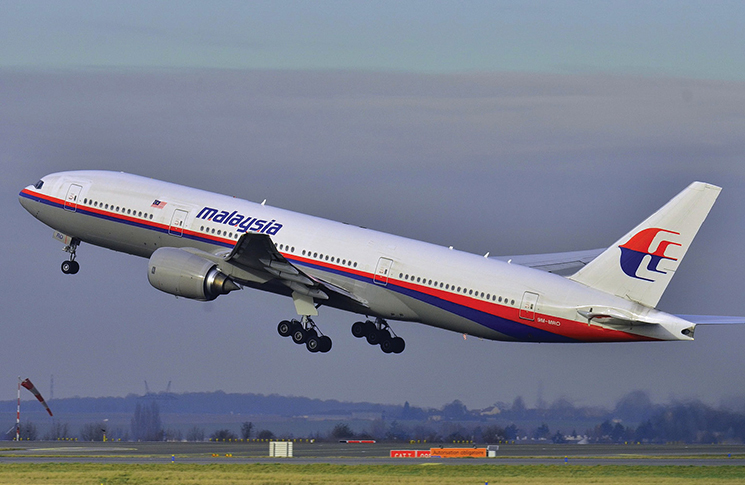
The baffling disappearance of Malaysia Airlines flight MH370 on what was supposed to be a routine journey between Kuala Lumpur and Beijing on 8 March 2014 left many incredulous that a modern airliner could disappear so effectively.

The shock intensified a few months later when a second Malaysia Airlines Boeing 777 operating between Amsterdam and Kuala Lumpur was brought down over eastern Ukraine by a Russian Buk missile.

Not only did Malaysia’s flag carrier suffer 2 tragedies close together, but the 17 July atrocity involving Flight MH 17 shattered the assumption that a commercial jet in cruise was safe from ‘local’ conflicts tens of thousands of feet below.

Air disasters are rare – the International Air Transport Association (IATA) says 2023 recorded just one accident for every 1.26 million flights – because the aviation industry is willing to learn from misfortune.

The Malaysia Airlines crashes were no different: emerging from the heartache, speculation and political denials came reforms designed to make aviation safer, although some have taken longer than expected.

In the case of MH370, the stage had already been set 5 years earlier with the loss of Air France flight 447.

Into dark waters

AF447 was en route from Rio de Janeiro to Paris on 1 June 2009 when it plunged into the Atlantic Ocean due to likely icing of the Airbus A330’s pitot tubes and pilot error that put it into a stall.

The aircraft’s communications addressing and reporting system (ACARS) transmitted position and maintenance reports prior to its disappearance and potential wreckage was spotted by searchers the next day.

Two bodies, a seat and a nylon backpack were recovered on 6 June, increasing to 50 bodies over a wide area by 16 June. The aircraft’s vertical stabiliser was also found.

Despite this, the aircraft’s ‘black boxes’, sitting at a depth of 4,000 metres, were not found until May 2011.

Although French investigators recommended the transmission window for underwater locator beacons attached to the flight data and cockpit voice recorders be extended from 30 days to 90 days to improve the chance of finding them, that had not happened by the time MH370 disappeared in 2014.

In the case of MH370, what is widely thought to be human involvement meant the transponder and ACARs had been disabled long before it crashed in the Southern Indian Ocean. This meant searchers did not know where that aircraft, with 227 passengers and 12 crew, had crashed or even which way it had travelled after it went ‘dark’.

It was only ‘handshakes’ between a satellite and a still active system designed to transmit telephony and aircraft data that allowed a search team led by the Australian Transport Safety Bureau to define potential crash sites in the Southern Indian Ocean, but the resulting search was unsuccessful.

The discovery of washed-up wreckage and the use of drift analyses by universities and institutions such as the CSIRO produced further refinements in the probable search area, but a second sweep involving sophisticated underwater drones and private company Ocean Infinity also failed to find the wreckage.
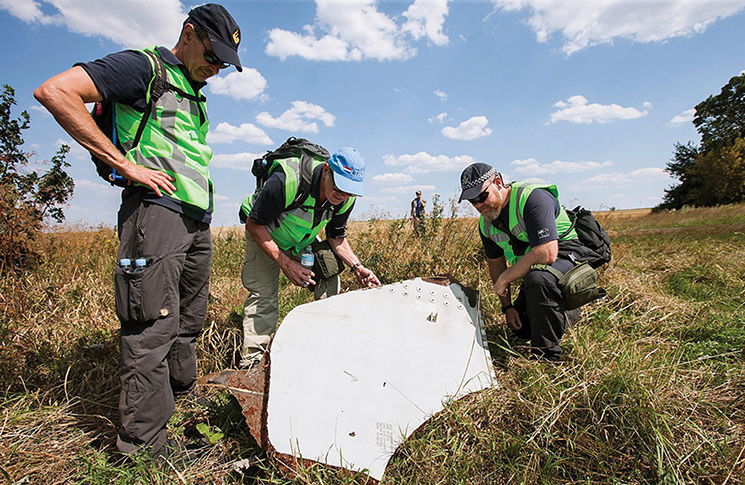
image: Dutch and Australian Police at the MH17 crash site on 3 August 2014 | Ministerie van Defence

Surveillance stepped up

Meanwhile, the aviation industry and the International Civil Aviation Organization (ICAO) were looking at ways to make it easier to track the position of aircraft, including suggestions by Malaysia that it should be in real time.

The result was the Global Aeronautical Distress and Safety System and a worldwide mandate requiring all new commercial aircraft weighing more than 27 tonnes to have new capabilities including autonomous distress tracking (ADT) and measures for locating aircraft wreckage.

ADT requires an aircraft to report its position every 15 minutes during normal flight, something already adopted by many airlines, and sharply reduce the intervals – to once a minute – if an aircraft is compromised.

The COVID-19 pandemic and delivery doubts from original equipment manufacturers slowed the mandated adoption of ADT and extended the deadline to 1 January 2025.

ADT requires an aircraft to report its position every 15 minutes during normal flight.

This would apply to newly delivered aircraft which have their first Certificate of Airworthiness issued on or after 1 January this year.

European manufacturer Airbus is already introducing an emergency locator transmitter device with ADT (ELT-DT) to its airliners that would broadcast the aircraft’s final impact location at sea, as well as its 3-D position in the events leading up to it.

Airbus executive expert of communication, navigation and surveillance Claude Pichavant says the company has been working since AF447 and MH370 with ICAO, the European Union Aviation Safety Agency (EASA) and various technical bodies on a two-phase system developed with Safran Electronics and Defense beacons.

‘The one-minute interval is equivalent to a six-nautical-mile radius from the impact site or research area,’ Pichavant said.

‘This was debated during discussions with ICAO on the standardisation and mandates.

‘Using data from more than 50 incidents from the French accident investigation board, the Bureau d’Enquêtes et d’Analyses, it was agreed that the one-minute requirement is sufficient.’

Another big difference of the ELT-DT is it is autonomous and powered by its own battery. This means that once triggered, it cannot be switched off.

A GPS receiver allows it to broadcast an aircraft’s real-time position independently of the aircraft’s navigation system when it fails to communicate with the rest of the aeroplane.

Airbus started introducing the new system in its A330neos in April 2023 and followed with the A350, A330 and A220 families.

The equipment comes as standard in the A350s and A330s but is a customer option on the single-aisle aircraft depending on their planned use. As of mid-February 2024, about 110 Airbus aircraft had been delivered with the technology.

Boeing is also testing a system that meets this requirement under the oversight of global regulators.

‘We have developed a GADSS and performed flight and ground testing on our current airplane models,’ the company told Flight Safety Australia. ‘We are in the process of completing required engineering activities with the regulators to certify an in-line production and retrofit solution.’

While new aircraft will come with ADT, IATA says there is no mandatory retrofit of the legacy fleet.

Still, the airline association points to other improvements in the last 10 years, particularly with newer aircraft such as the Boeing 787, the A350 and single-aisle variants such as the A320neo and B737 MAX families.

This includes mandates in various regions that new aircraft be fitted with satellite-based ADS-B Out systems – which provide information such as position, altitude and speed –­ as standard.

Locating for longer

Another improvement to stem from the AF447 and MH370 crashes was the upgrading of underwater locating devices (ULDs), commonly known as ‘pingers’.

Pingers are attached to the containers of flight data and cockpit voice recorders and automatically activate in contact with water. They transmit a signal that can help a search and rescue team find submerged wreckage.

The devices were previously required to stay active for 30 days but this was extended to 90 days because of the number of extended searches for aircraft that crashed in water, including MH370 and AF447.

Aircraft with maximum take-off weight of more than 27,000 kg that operate long-range, overwater flights are also required to have an ULD in the hull – but not the wings or empennage – that operates on a separate frequency.

IATA is unable to say how many aircraft in the international fleet are fitted with these devices but notes the issue is covered by ICAO standards and recommended practices (SARPs) that have applied from January 2018. It says this means the issue should have been addressed by member states in their jurisdictions.

Drones on the case

A third area to see improvement, although not confined to aviation, is the technology used to find aircraft.

The initial search for MH370 used deep tow vehicle sonar systems, towed on a line behind a ship, and a single autonomous underwater vehicle (AUV) per ship, but a 2018 sweep was able to use 8 AUVs from a single ship, capable of diving to depths of 5,800 metres using sophisticated sensors.

This greatly reduced the time needed for the second search, although that operation also failed to find the missing B777, and the technology has since advanced.

The threat from below

The wreckage of MH17 strewn across the eastern Ukraine countryside needed no search and generated a different debate.

A forensic probe by a resolute team of Dutch-led international investigators discovered the aeroplane had been hit by a Buk missile transported from a base in the Russian Federation and launched by Russian-controlled Ukrainian separatist forces.

With 298 people killed, this was the deadliest incident involving the shooting down of an airliner; the fact it was hit while the Boeing 777-200ER was in cruise at 33,000 feet sparked a debate about the risks of flying over conflict zones.

Risky Ukrainian airspace had already been placed off limits to US carriers by the Federal Aviation Administration but it was still used daily by multiple aircraft from other countries. There were several in the area, including a Singapore Airlines flight, when MH17 was shot down.

The Dutch Safety Board made 11 recommendations on better managing the risks of flying over conflict zones as part of its investigation into MH17 and reviewed the responses in a 2019 report.

It found the tragedy prompted ICAO to introduce several initiatives aimed at better managing the risks of flying over conflict zones, including amendments to standards, recommended practices and manuals.

Another improvement to stem from the AF447 and MH370 crashes was the upgrading of underwater locating devices (ULDs), commonly known as ‘pingers’.

The changes included guidelines for performing risk assessments and moves to embed and improve information sharing.

The report noted EASA and several ICAO member states had also moved to better manage the risks associated with flying over conflict zones with initiatives such as EASA’s Conflict Zone Information Bulletin.

And airlines were playing a more active role in gathering information about conflict zone risks than they did at the time of the crash of MH17.

‘They also have access to more and generally better threat information,’ the report said.

‘Risk assessments are performed in a more structured manner and some airlines explicitly state that they take uncertainties and risk increasing factors into consideration as part of the risk assessment process.

‘Furthermore, there is evidence to suggest that, if there are doubts about the safety of a flight route, airlines are more inclined not to fly.’

The report also recognised IATA’s efforts to address the conflict zone issue through prescribed management systems and the internationally recognised IATA Operational Safety Audit (IOSA).
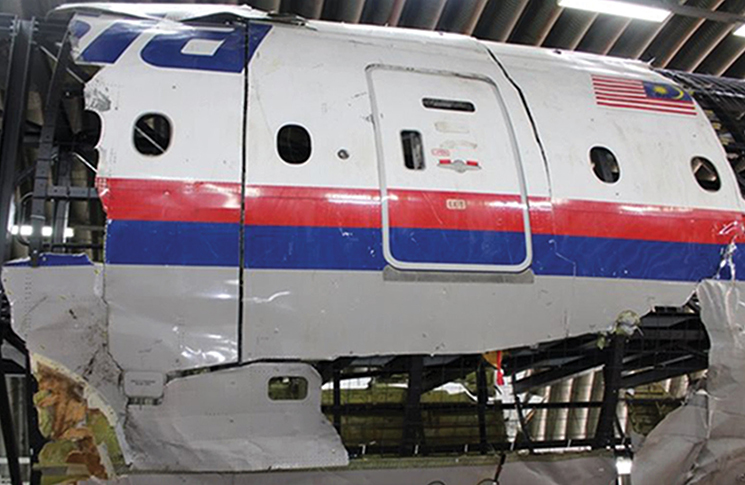
image: MH17 reconstructions | Joint Investigation Team

Protocols and partnerships

The airline association says it also continues to facilitate information sharing and leverages strategic partners who specialise in geopolitical and security risk analysis.

‘A significant amount of work has been done by IATA and member airlines in terms of strengthening information sharing protocols and systems risk management maturity,’ an IATA spokesperson said.

‘The advancement of open-source information technology coupled with higher and/or ICAO-aligned IOSA standards in risk management have propelled this forward.

‘In addition, IATA annually updates its own security management manual with relevant case studies and industry experience.’

While there were suggestions there should be changes to international law to require countries involved in international airspace to close their airspace, this has not happened and closures are still the responsibility of individual jurisdictions.

But IATA believes the Chicago Convention SARPs ‘clearly and adequately’ outline the obligation of States to protect citizens from acts such as terrorism and military actions in their territory.

Meanwhile, the work to prevent another tragedy like MH17 continues. ‘We maintain a continuous improvement mantra in the adoption of risk management methodologies and best practice,’ the IATA spokesman said.
Body of knowledge: why your aircraft’s condition is your responsibility

You don’t need a doctor to tell you when you’re sick. Instead, you watch your health, try to keep fit and make appointments. It’s the same with aircraft. However, CASA airworthiness inspectors have noticed something halfway between folklore and a trend develop among some aircraft operators: the pernicious idea that their aircraft’s airworthiness is the responsibility of that aircraft’s maintenance organisation – it’s not. Registered operators, be they organisations or individual shoulder that responsibility.

CASA Advisor Circular 1-04v1.0 makes an aircraft operator’s responsibilities clear.

Registered Operators (RO) are required to ensure that aircraft being used in their operations are maintained in accordance with the applicable sections of Parts 4A to 4D of the Civil Aviation Regulations 1988 (CAR) and they are in a condition for safe operation,’ AC 1-04 v1.0 says.

The same principle applies for all aircraft, including private aircraft and aircraft operated under CASR Part 42.

While this might sound daunting it’s really not that much different to what you do as an operator of a body, vehicle or home. You monitor how everything’s going and call for expert help or repairs as required. In every case, early intervention is preferable to ignoring the problem and hoping it will go away.

Your aircraft is probably the second most complex system you operate – after your body, but it lacks the reporting systems of pain, tiredness and discomfort. And unlike dentists, aircraft maintainers are not in the habit of sending nagging reminders. This means you need a system of maintenance  to ensure your aircraft or your organisation’s aircraft is being properly maintained.

AC1-04v1.0 lays out the basics.

It is recommended that the operator’s system and manual/exposition (when required) contain:

  • a process that ensures the aircraft maintenance schedule is complete and appropriate
  • acknowledgment of the operator’s responsibility in relation to continuing airworthiness of the aircraft which includes the maintenance planning and scheduling
  • responsibilities and procedures for the person employed for scheduling and tracking of aircraft maintenance
  • processes for contractual arrangements with maintenance providers
  • and a process that explains how configuration of aircraft equipment is managed and maintenance is traced for items that are removed or swapped on a regular basis such as seats (for passenger to cargo reconfiguration) emergency, survival and role equipment
  • a process for how major aircraft components, rotable items and lifed-parts are managed and tracked.

(Just so you know, a rotable item is a component in an aircraft that is designed to be removed, repaired, and reinstalled multiple times during the life cycle of the aircraft. Avionics and fuel pumps are examples of rotables.)

Air transport, aerial work, aerial application and flight training operators are all required to have either an exposition, maintenance controller or a nominated individual dedicated to managing continuing airworthiness.

‘In all cases, the operator would be expected to include in the exposition/operations manual a system to coordinate and ensure the maintenance of their aircraft is carried out at the specified time (TTIS), date and cycles of each aircraft’ AC 1-04 v1.0 says.

Operators must also ensure their aircraft are maintained such that they continue to comply with the certification basis specified in the aircraft’s certificate of airworthiness. Operators must also comply with all applicable airworthiness directives in the aircraft’s maintenance program. These can be found on the national aviation authority of the aircraft’s state of origin or the aircraft type certificate holder’s internet presence.

Staying current on these is the operator’s responsibility, not the responsibility of the maintenance organisation. However, the CAR maintenance release rules require the person issuing the maintenance release (MR) – the maintenance organisation – not to issue the MR unless all required maintenance has been carried out.

Further reading:


Out of a clear blue sky

0

Bell 47 G2, VH-AHF
Pitt Street, Sydney NSW, 
Saturday 10 December 1966

 The crash of a helicopter onto a city street shocked a nation.

‘In aviation, there is no problem so great or so complex that it cannot be blamed on the pilot.’ – Earl Wiener

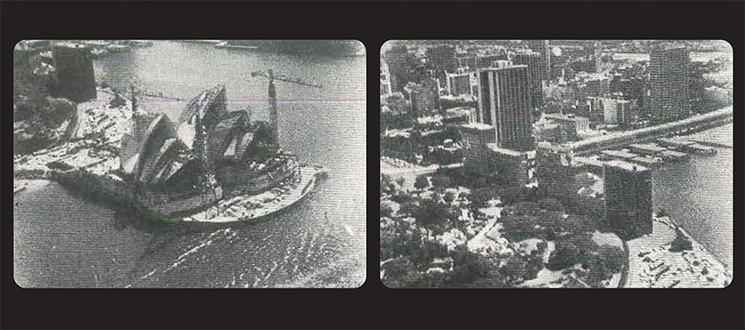
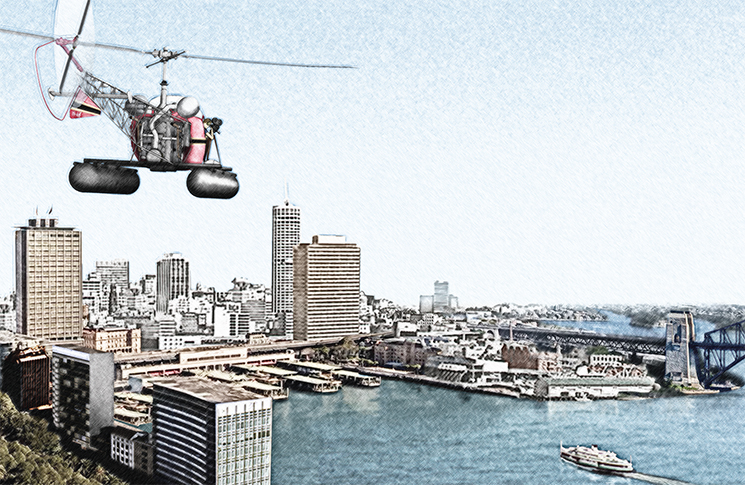
For about a minute, it would have been a vibrant picture of modern Australia, with the summer sun reflecting the blue of Sydney Harbour, glinting off the daring skyscrapers and shimmering through the perspex dome of a Bell 47, one of fewer than 50 helicopters in the country.

This individual Bell 47 was emblematic of a young confident nation – it had starred in the first episode of a new television drama about Skippy, a ‘bush kangaroo’, that was being sold all over the world.

Onboard the helicopter were Jim Reilly, 44, a former Lancaster bomber pilot, camera operator Frank Parnell, 41, and television director Patricia Ludford, 28. Their unstressful mission on this seemingly perfect day was to take footage of yachts on Sydney Harbour.

Peter Hobbins, a historian of technology at the Australian National Maritime Museum, describes what happened next. ‘Just as the Bell 47 approached the ferry terminal at Circular Quay, a retaining bolt in the tail rotor failed and the tail rotor blade and then the tail rotor gearbox detached from the helicopter and fell into the harbour beside ferries,’ he said.

‘The helicopter then started to rotate under the torque of the main rotor and, for the next 45 seconds, was spinning effectively out of control over the Sydney central business district until it hit the back of Goldfields House, where the tail boom detached and the cabin fell inverted onto a building in Pitt Street, killing all 3 on board.’

The horrible sight was seen by thousands of people and, unusually for the time, was caught as a moving image – twice. A film crew on a tug in Sydney Harbour detached their heavy camera from its mounts and filmed the helicopter pitching and rotating in its descent. This was shown on the Saturday evening television news. The following morning a sharp-thinking reporter rescued film from the cine camera that had been on the helicopter from a rubbish bin. Although the final 17 seconds were, perhaps mercifully, unsalvageable, the developed film vividly evoked the helicopter’s whirling downfall. ABC TV news broke into its Sunday afternoon programming with the footage.

Anatomy of a fall

About the time of the special news bulletin, the wreckage of the helicopter was being lifted from the Paul Building in Pitt Street and driven to Bankstown Airport. There it was joined by items found in the water near Circular Quay. Department of Civil Aviation (DCA) inspectors made a prompt preliminary finding.

The next day the DCA issued an order that tail rotor hub retention bolts in all Bell 47 helicopters had to be replaced after 300 hours of flight and removed bolts were to be sent to the DCA for examination. The bolt had been rated for a life of 2,500 hours but the one on VH-AHF, the accident helicopter, had failed after 650 hours. This had caused the tail rotor blade to be thrown free of the tail rotor which, becoming out of balance with only one remaining blade, had gone on to detach the tail rotor gearbox from the airframe.

With no tail rotor to counteract the torque of the main rotor, the helicopter had begun to rotate. It also pitched violently in its descent, possibly because, without the weight of the gearbox on the tail boom, the helicopter’s centre of gravity had moved forward beyond its operational limit. This change had been added to by the placement of a cine camera and battery weighing about 40 kg on the forward right side of the aircraft on a modified tripod.

images: Aviation Safety Digest, ATSB

James William Reilly, the Scottish-born pilot, had shown coolness and professionalism under extreme circumstances several times before in his aviation career and, by all accounts, was not a man to panic easily. He had flown with the Royal Air Force during the height of the World War II bomber offensive against Germany.

He was known for his strict adherence to standard operating practices.

Reilly was also one of 4 survivors when the Lancaster he was flying was shot down in 1944, and became a prisoner of war.

He stayed in the RAF after the war and became a pilot in its first helicopter squadron, flying rescue flights in the UK, on operations for 3 years during the Malayan emergency of 1948–1960, piloting VIP transport flights and 101 casualty evacuations. He was awarded the Air Force Cross for actions during the Indonesian Konfrontasi with Malaysia.

He became experienced in successfully handling autorotations, including one that occurred under almost the worst possible conditions – at 150 feet when test-flying a tandem-rotor Bristol Belvedere with a heavy sling load. (A helicopter autorotation is an unpowered emergency landing after engine or transmission failure.)

Camera operator Frank Parnell had studied aeronautical engineering but found his true vocation behind the lens, where he was a founding member of the Australian Cinematographers Society. The small size of the Australian film industry in the 1960s was demonstrated by how British-born Patricia Ludford had worked with one of the men on the tug who filmed her death. She sat in the centre position of the Bell’s bench seat, with Parnell on the right and Reilly flying from the left side.

‘I often wonder what happened in those 45 seconds,’ Hobbins says. ‘There’s no evidence, no voice recording, but it’s reasonable to assume Jim had to deal with the human drama right beside him as well as work out what’s going on with the helicopter and what he can and can’t achieve, all while the helicopter is spinning once every 2 seconds, and fundamentally nose-heavy.’

The tail rotor gearbox detached from the helicopter and fell into the harbour.

The second impact

Bruce Reilly has a vivid memory as an eight-year-old of his mother taking a telephone call that Saturday. When asked in later years how she had retained a semblance of composure that terrible afternoon, she said years as a military pilot’s wife had prepared her well.

His elder brother had gone to Bankstown airport with their father and watched him fly a test flight to check the effect of the camera on the Bell’s weight and balance. Now he was waiting at the airport for a helicopter that would never return.

Today the Australian Transport Safety Bureau engages promptly with survivors and next of kin as part of its investigatory role. There was no such service offered in 1966 and the Reilly family had the ordeal of watching the external and onboard footage on television and overhearing acquaintances and strangers talking about it. Nearly 60 years later, this is the only aspect of the crash that Reilly finds hard to discuss dispassionately.

‘People really need to realise that there are family and friends associated with accidents and how damaging an off-the-cuff remark can be,’ he says. ‘It’s the same with the press. All those things have a flow-on effect that can make everything worse, deepen grief and extend it. For us as a family, it wasn’t particularly well managed. I remember looking at the crash on the news that night.’

A string of verdicts

The investigation team quickly focused on 2 contributory factors: the failed bolt and the helicopter not entering autorotation. Other possible factors such as the pre-Australian service history of the aircraft were not considered.

The Bell 47 had been flying slowly and climbing to 1,500 feet for a transit of the city. Apart from Parnell’s camera, it carried no recording devices but its height was estimated at about 1,000 feet, well within the safe area of the Bell 47’s benign height/velocity curves. However, this assumed height was at best a consensus – witness estimates varied wildly with some putting it as low as 400 feet. The DCA seized on the 1,000-feet figure in an investigation that reached a conclusion that seems shockingly superficial to modern investigative eyes.

‘Had the pilot immediately elected to initiate an autorotation landing, the catastrophic results which eventuated would have been largely mitigated, if not completely avoided,’ it said.

Macarthur Job, at that time editor of the department’s safety publication Aviation Safety Digest attempted, as was his pioneering practice, to produce a more nuanced multi-factorial report. In the November 1967 edition, he wrote, ‘By any standards, the situation which faced the pilot was a most unenviable one.

‘Overall, the evidence seems to point to a situation in which the pilot, while purposefully maintaining a power-on condition, despite the loss of directional control and the consequent fuselage rotation, was struggling to keep the aircraft airborne, and perhaps even endeavouring to gain height, until such time as the aircraft was in a better position from which to attempt an autorotational descent.’

Archival evidence has emerged of a draft of Job’s story, with another paragraph crossed out in pen. Hobbins suspects the department wanted to make a clear and unambiguous statement to Australia’s helicopter pilots that it expected higher standards from them and not have this contradicted by Job’s instinctive sense of fairness.’

The pilot may have decided against attempting to make an emergency landing because of the heavily populated area below him.

The crossed-out paragraph mentions the tailwind and the helicopter’s low airspeed which was ‘certainly well below that necessary to obtain stabilised autorotational flight … The pilot probably realised that any attempt to place the helicopter in autorotation would initially involve a sudden, substantial loss of height which could take the aircraft perilously close to the top of the buildings ahead, and to either side of his flight path. In addition to this, the pilot probably felt he would not be able to gain directional control until considerable height had been lost and sufficient forward speed had been gained for autorotational flight.’

The NSW Coroner’s finding of 1967 contrasted with the DCA position, determining that the pilot ‘may have decided against attempting to make an emergency landing because of the heavily populated area below him’.

Nine years of lawsuits followed the crash, to the anguish and frustration of all 3 families. The legal focus turned towards the tail rotor bolts, in a series of increasingly abstract court cases, culminating in an appeal to the High Court. The Bell company, found not to be at fault in a controversial High Court judgement in 1973, changed the design of the bolt in 1976.

As well, the department ruled that helicopters transiting Sydney must stay over water or open areas, a flightpath restriction that remains in force.

System and remembrance

Bruce Reilly says he would probably have followed his father into aviation, even if the crash had never happened. He became an engineer, specialising in helicopters and working on complex muti-engine types. The job gave him an appreciation of the importance of human factors in aviation safety and he became a safety systems inspector at CASA.

He is proud but unsentimental about his father. ‘Of course I’m biased, but I’ve spent a lot of time in archives and every report I read about him mentions how organised and disciplined he was,’ Reilly says. ‘And it’s not that the writers were trying to be nice to me because I’m his son.’

Among the sources he quotes is a 2003 UK Civil Aviation Authority review of tail rotor failures covering 40 models, which found the Bell 47 the worst for the quality and quantity of advice provided in its flight manual.

‘The philosophy back then was that if there was an accident, it was pilot error,’ Reilly says. ‘There was limited recognition of the multitude of other factors that we now know can lead to an accident. Only a systems safety approach, covering type certification, documentation, airspace, procedures and underlying culture, could have prevented it, but the helicopter industry had not reached that level of maturity in 1966.’

The Reilly family refused to be defined by tragedy. Jim and Elizabeth’s 4 children grew to be close, successful and mutually supportive. When a documentary producer approached them to tell their story, they declined. ‘We knew their angle would be “you poor kids” and that’s not how we felt,’ Reilly says.

‘Having him as father was something to celebrate. The time we had with him was amazing. Not just the travels, he was very much a family man. He had wanted to stop flying to be with us more, but we cherish the time we were given.

Which check? Ensuring a safe landing

When was the last time you consciously considered why you’re performing your pre-landing checks, rather than just carrying them out because they’re on the checklist?

Regardless of how much flight experience you have, pre-landing checks are a vital aspect of aviation safety.

However, complacency can sometimes set in, leading pilots to perform these checks by rote, without fully considering their purpose and the safety they provide.

Two common pre-landing checks

The BUMMMFITCHH technique is a widely used mnemonic among pilots for pre-landing checks. It stands for brakes, undercarriage, mixture, magnetos, master switch, fuel, instruments, trim, carb heat, hatches and harnesses. This method ensures that all critical systems are verified and set correctly.

The GUMPS technique, another common mnemonic, stands for gas, undercarriage, mixture, propeller and seatbelts. This simple and effective checklist helps pilots ensure the aircraft is properly configured for landing.

Insights from experienced pilots

Here’s what 3 pilots have to say about their pre-landing checks.

Steve Krug from Sydney By Seaplane in Seawing Airways, operates an amphibious DHC-2 Beaver and uses the BUMPFFW technique. He has over 49 years in the flying business, 28,000 flying hours, primarily on float planes and flying boats. As of May 2024, he had 52,500 water landings and the same number of water take-offs.

He says pre-landing checks are crucial due to the unique configurations required for land and water landings and emphasises the discipline needed to perform these checks meticulously.

‘The ability of the amphibian seaplane to operate in a variety of configurations – land to land, land to water, water to water, water to land – presents the pilot in training with a unique set of circumstances,’ he says. ‘It is therefore very important that the pilot considers the effects of these changes in configuration at all times.’

His pre-landing checklist includes:

  • brakes: ensure they are off
  • undercarriage: confirm the correct position (up for water landing, down for land landing)
  • mixture: set to rich
  • pitch: full fine or as required
  • fuel: check quantity, pressure and selection
  • flaps: set as required
  • water rudders: ensure they are up.

Steve also performs a short finals check, repeating the critical items and ensuring everything is set for the type of landing he is about to execute. This disciplined approach helps maintain safety and performance, especially in the varied conditions amphibious aircraft face.

Richard Butterworth, Head of Flight Operations at Kestrel Aviation, provides insight into the pre-landing checks for helicopters. He says these checks are based on the flight manual specific to the helicopter type, with the primary objective of transitioning the aircraft configuration for landing.

‘The pre-landing checks involve optimising aircraft performance by removing bleeds from the engine, ensuring you’re in the appropriate power mode and having 100% power RPM,’ he says.

He emphasises the importance of mindset, especially in single-pilot operations, where being aware of potential ‘what ifs’ is crucial.

For multi-crew operations, aligning the crew’s thoughts and focus on landing the aircraft safely is essential. ‘Helicopters operate in low-level environments, so maintaining a sterile cockpit and optimising performance is critical,’ Richard says.

His tip is to think about why each check is performed, rather than doing the list by rote.

Ross Peake from Canberra has been flying GA aircraft for about 6 years and uses the ‘flow’ technique for pre-landing checks. ‘I went back to Cowra one year to do circuit training in the FlyOz Arrow,’ he recalls.

‘The instructor suggested using the “flow” technique for downwind checks because of its simplicity. I agreed and have used it ever since.’

Ross’s downwind check involves a left-to-right scan across the panel:

  • fuel: check sufficient for go-around
  • Ts and Ps: ensure all are in the green
  • gear: down, after confirming speed
  • mixture: rich
  • landing light and fuel pump: on
  • hatch and harness: confirmed by the pilot or the person in the right-hand seat.

On final approach (if flying an Arrow), Ross performs the PUFF check (power, undercarriage, flaps, fuel) ensuring everything is set correctly for landing. This method helps him stay organised and ensures no critical item is overlooked.

The dangers of complacency

While pre-landing checks are routine, they must never become perfunctory. Pilots must always understand the purpose behind each check, ensuring the aircraft is properly configured for landing and prepared for any potential issues. Complacency can lead to missed steps and, ultimately, jeopardise safety.

Regardless of what a type of aircraft you fly – amphibious, helicopter or fixed-wing – pre-landing checks are a non-negotiable aspect of safe flying.

Non-controlled operations

Non-controlled operations is one of the special topics on our Pilot safety hub. Refresh your knowledge.

Head on a swivel

An experienced airline transport pilot remembers 2 close calls early in his career that shaped his approach to safety.

Back in 2009 I was flying out of Tindal on a perfect dry season day. The company’s Cessna 210 was loaded to the brim with mail ready for the 11.5-hour duty, a 15-stop day.

It was a big day out but when you want to build up hours, days like these are a gift from heaven. They are long days, hard work, hot and demanding but fun, nevertheless.

I finally get to go flying and for once I’m not the one paying for the hours!

The challenge with days like these are the last few sectors. You’re tired, hungry, you’ve landed and taken off 12 times and the last 3 sectors are the long ones. I was joining the circuit on my 13th stop, at 1000-foot circuit height, from early left downwind, all checks complete, my gear is down, all looking good.

Start the base turn and descend. Turn final, quick final check at 500 feet. Suddenly, I glanced down and saw my shadow – or so I thought. After a second glance, I realised it couldn’t be my shadow, because of the position of the sun. I was a split second away from landing on top of a Cessna 172!

It was so close that I can’t remember much, other than applying full power as I start a go-around with a hard bank away from the unexpected intruder! I remember landing and having some strong words with the pilot of the other aircraft. He had no idea what had just happened and seemed oblivious to the fact that I almost landed on top of him.

The story told was: he only had an HF radio, his VHF was unserviceable and he was airborne for only 15 minutes, checking some fencing on his farm.

It was an experience that left me in shock. How could someone be flying around and not have a radio – or have a radio and be on the wrong frequency?

That brings me to another story, at Gove in the NT. Lining up for a 10-mile straight-in final on runway 13, I see a shape coming straight towards me. I bank hard left just as the shape was also banking left. The pilot, totally oblivious to my position, had taken off on the reciprocal runway 31 and was making a left-turn departure.

He couldn’t see me as the nose cowling was blocking his view. But he was also on the wrong CTAF frequency so didn’t even know I was there. It was a VFR Baron or a blurry twin that looked exactly like a Baron. He later got on the correct frequency and apologised after I explained what had just happened.

I was a split second away from landing on top of a Cessna 172!

Years later, I reflect on my experiences in the bush. I am now blessed to fly a jet with a fancy FMS, EGPWS, TCAS and other bells and whistles but I’m still reminded of those close calls.

Not only am I flying IFR, which is great, but I am also flying from the safety of a capital city CTA to middle-of-nowhere mine sites in class G, or to places like Alice Springs, Gove and Mackay where there isn’t always a tower active. It makes me a tad apprehensive to just trust my TCAS or what I hear on frequency. And sometimes silence makes me even more anxious.

I’d be the first to admit that I am probably a bit more trigger happy than most when making CTAF calls. However, I definitely do not want to relive those past experiences.

Lessons learnt

Complacency is the problem, for both farmer Joe and me. It is easy to allow complacency to creep in, to allow the aeroplane to fly a fully coupled RNP, disconnect the autopilot at the minimums and land. However, the problem is farmer Joe is still out there, checking his fences with his radio disconnected, another pilot is flying around with an incorrect CTAF frequency or, worst of all, their transponder is off and they are blind to ATC and my fancy TCAS.

Situations like these are rare but as pilots, we prepare for the worst and expect the best. The best lesson in these scenarios is to keep your head on a swivel and keep a sharp lookout, especially when it’s that last sector after a long day and all you can think about is shutting down and going home. 

Online extra

Don’t forget to check out the audio close calls. Hear the stories come to life.

Non-controlled operations

Non-controlled operations is one of the special topics on our Pilot safety hub. Refresh your knowledge.


Have you had a close call?

8 in 10 pilots say they learn best from other pilots and your narrow escape can be a valuable lesson.

We invite you to share your experience to help us improve aviation safety, whatever your role.

Find out more and share your close call here.

Disclaimer

Close calls are contributed by readers like you. They are someone’s account of a real-life experience. We publish close calls so others can learn positive lessons from their stories, and to stimulate discussion. We do our best to verify the information but cannot guarantee it is free of mistakes or errors.

Drone flyer diary – Chris Warrior

In the Yankunytjatjara language of the Yankunytjatjara people, ‘napartji napartji’ means ‘to be reciprocal.’

Chris Warrior lives by this expression in his personal life and business.

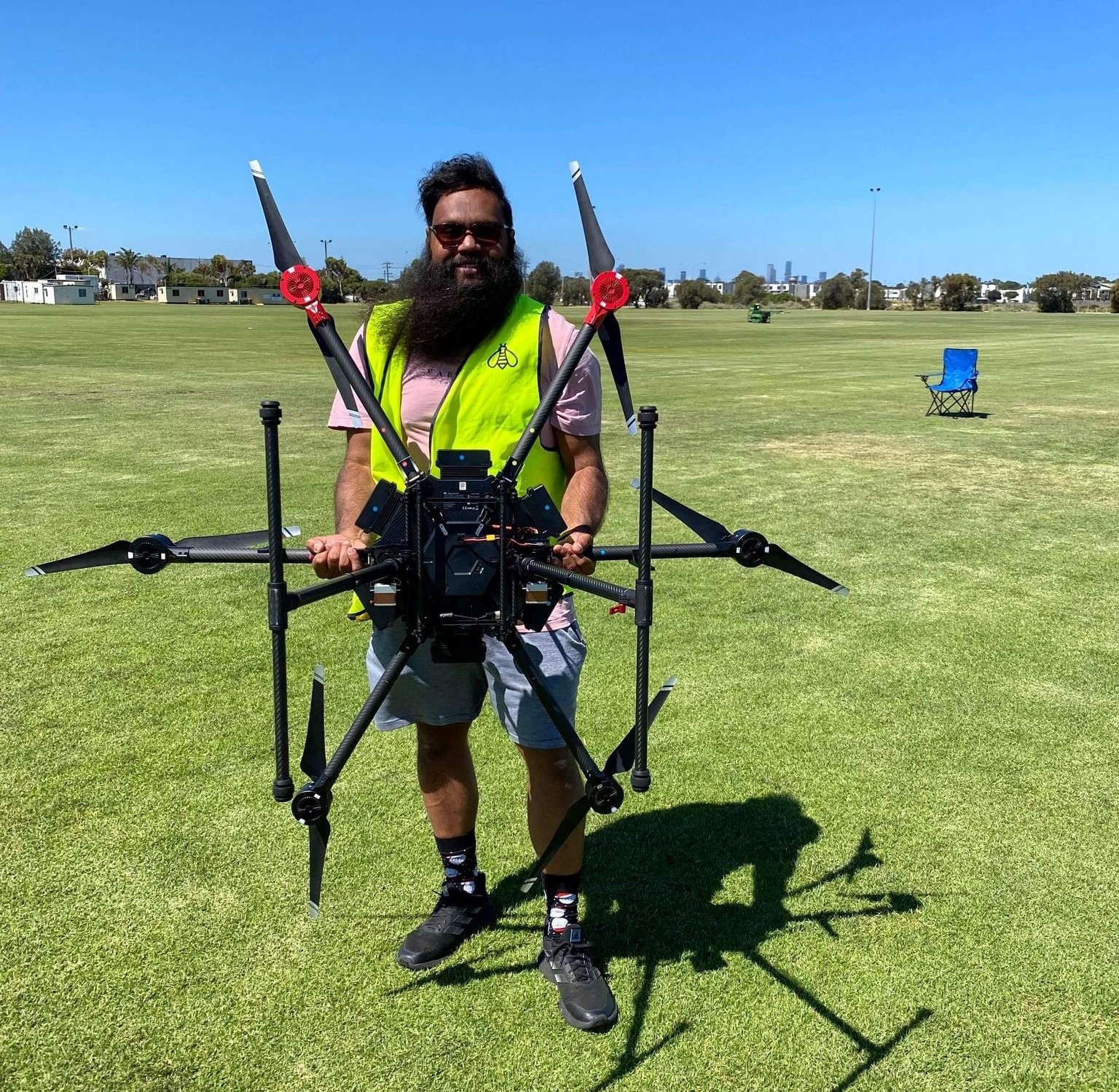
A Kokatha man who grew up in South Australia, Chris first encountered drones while flying remote controlled aeroplanes in his youth. While working as a technician in the mining industry, he discovered the commercial potential of drones, like the DJI Matrice 300 for generating 3D maps. He also witnessed the power of community engagement in promoting Aboriginal employment programs. Stranded in Victoria during the COVID-19 pandemic, he seized the opportunity to pivot careers, driven by a desire to give back.

Today, Chris owns and operates Wiru Drone Solutions with his partner, providing commercial drone services and training programs in Yorta Yorta Woka/Shepparton. Together, they’re paving the way for First Nations entrants to the industry.

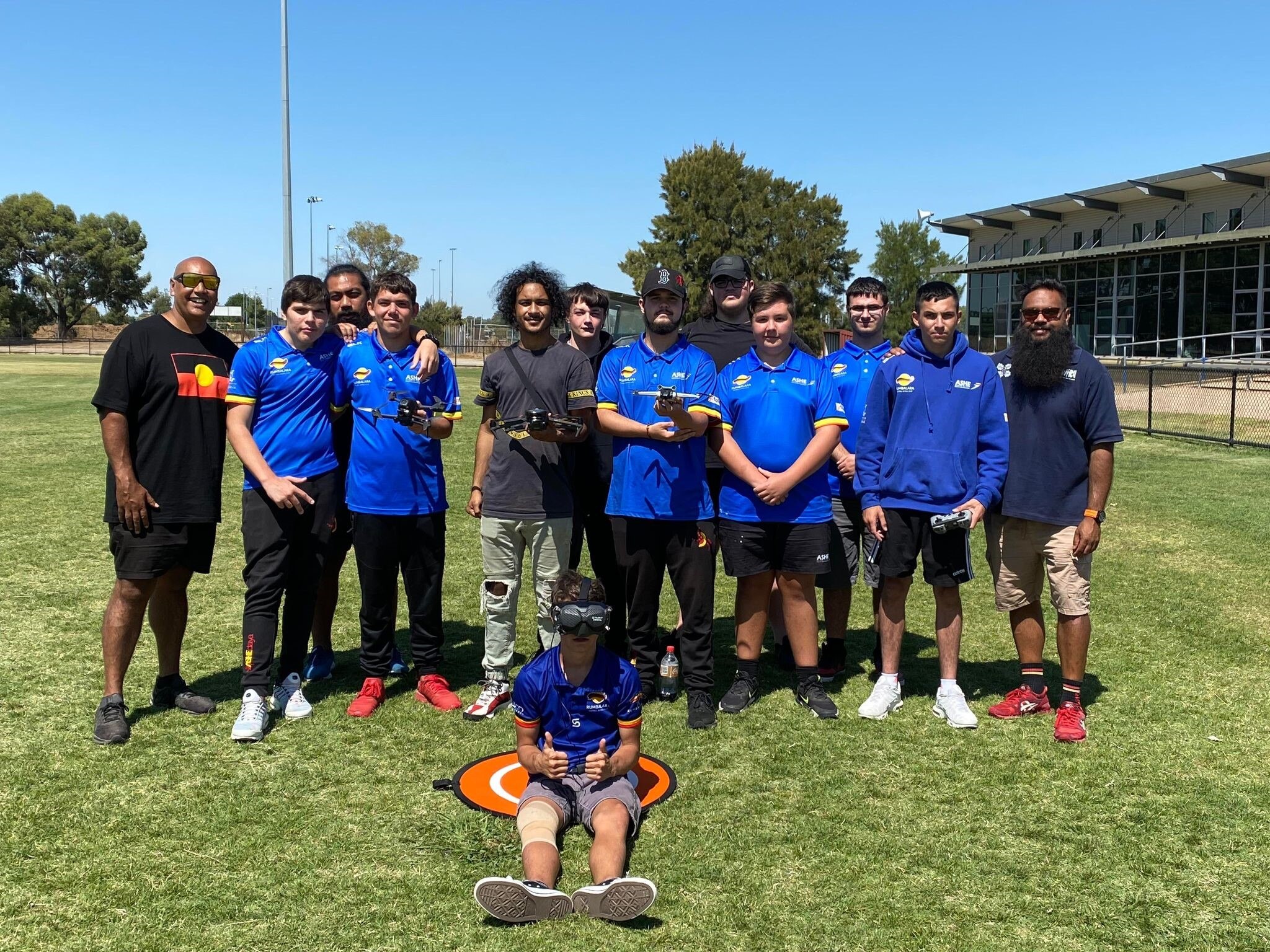
Chris Warrior, The Academy of Sport, Health and Education students drone workshops, Shepparton

Starting out wasn’t smooth sailing for Chris. Finding a mentor to guide him into the industry proved challenging, and the remote pilot licence (RePL) exam posed its own set of hurdles. However, determined to make a mark, he drew on advice from friends and secured funding through a local employment program. With newfound resolve, he decided to become the mentor he once sought.

Today, mentorship stands as a cornerstone of Wiru Drones’ services. Their program demystifies the RePL process, imparting knowledge on risk assessments, airspace navigation and interpreting weather. They also offer hands-on flying experience.

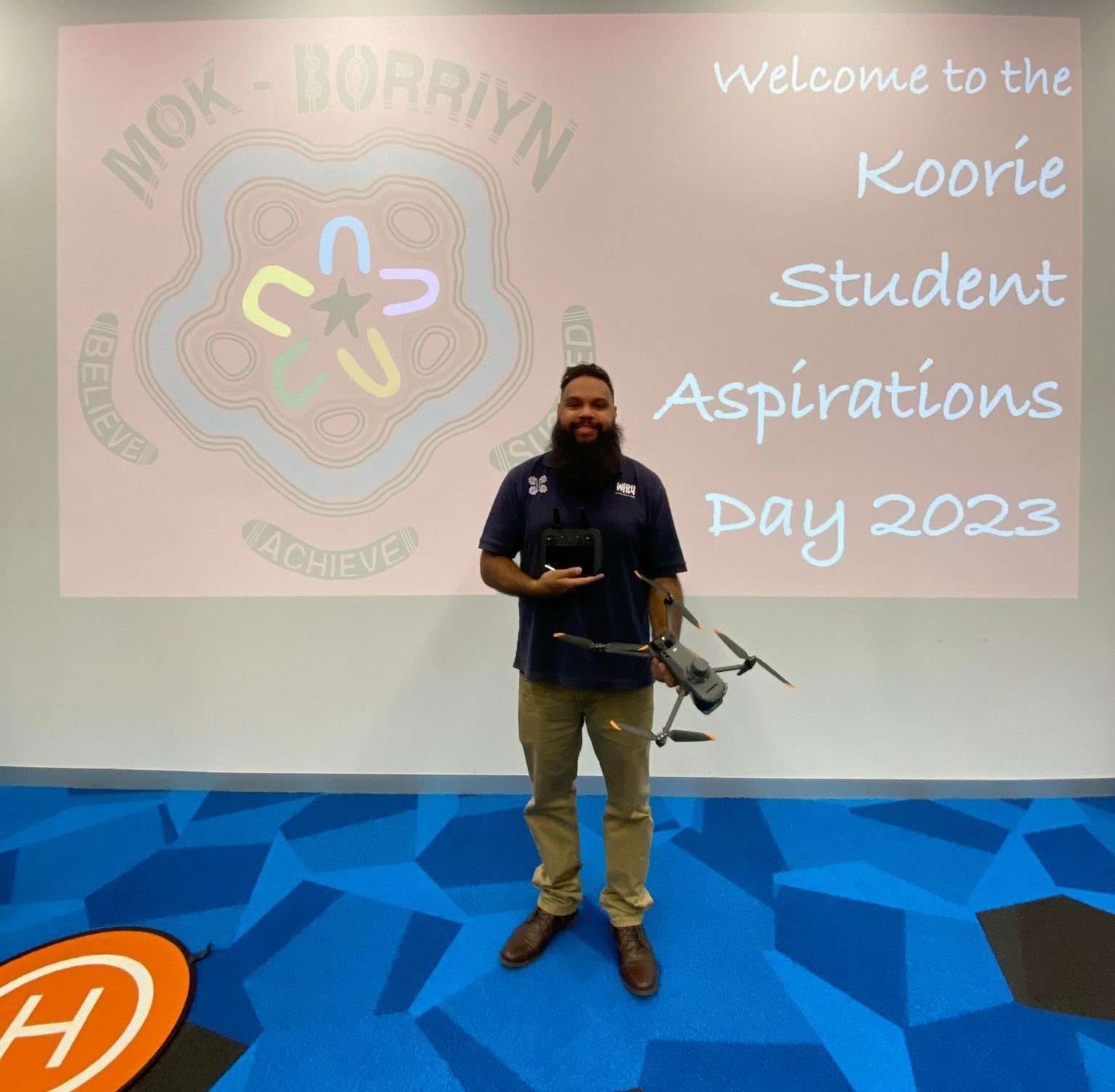
Chris Warrior, Koorie student aspirations day, Geelong

To ensure safety, Chris guides operators on how to conduct a full risk assessment. ‘We get them to identify potential hazards. I want to make sure that they understand the risks because I don’t want them getting in trouble,’ he says.

On the commercial end, Chris applies his mining and community engagement background to produce cultural maps. ‘We’re working with traditional owner groups to capture country,’ he explains. ‘We’re creating 3D maps of heritage sites using photogrammetry and LiDAR.’

LiDAR – light detection and ranging – uses a laser to measure distance.

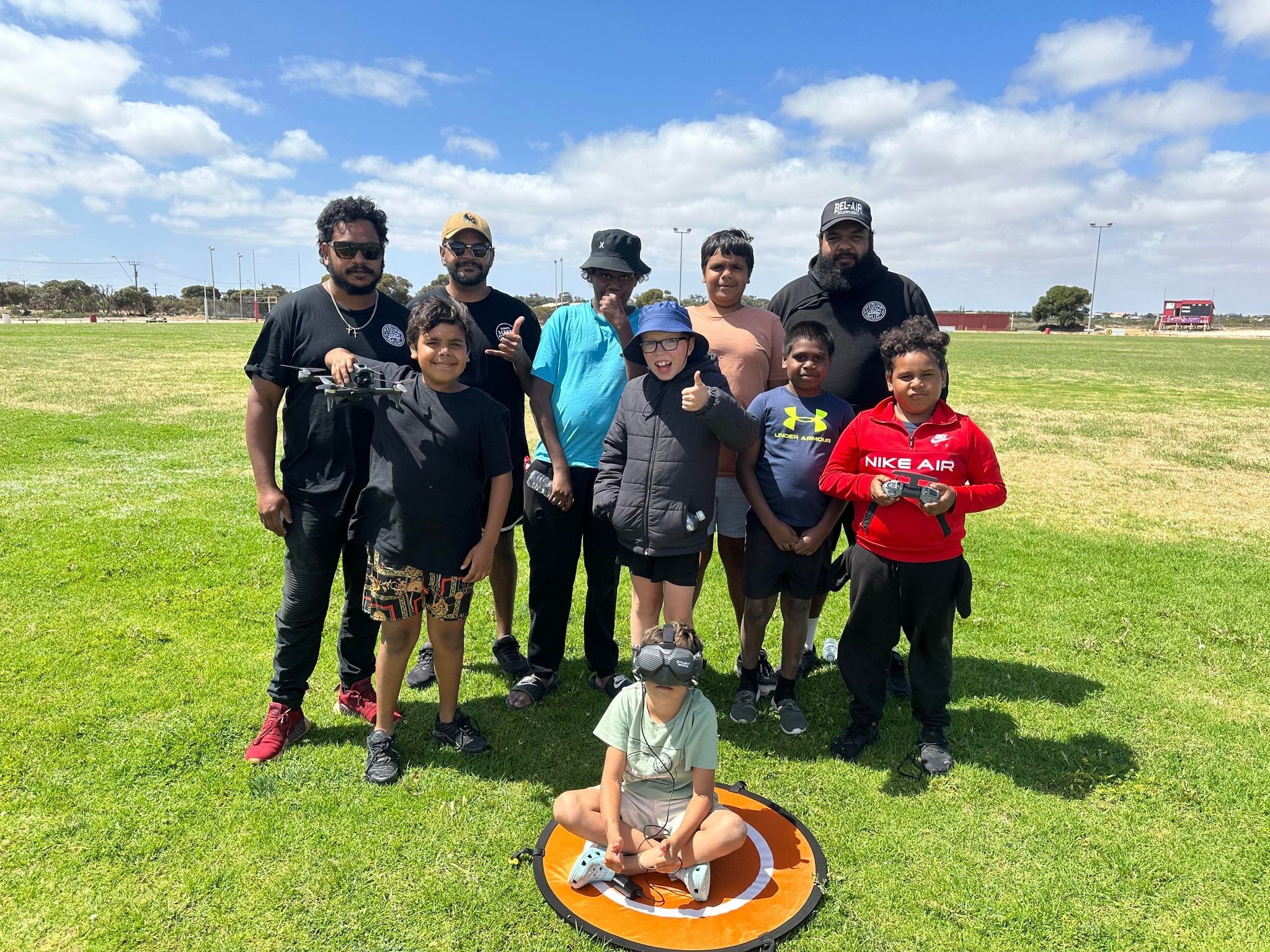
Chris Warrior, Ceduna youth hub, drone workshops

‘Many ranger groups use the information we provide to better manage their Country. For example, if there’s been disturbance to a heritage site, we can create buffer boundaries with accurate GPS coordinates around them.’

Chris has obtained a remotely piloted aircraft operator’s certificate (ReOC) and his RePL privileges permit him to operate drones weighing up to 25 kg. Chris is also pursuing beyond visual line-of-sight (BVLOS) RePL privileges. He has a fleet of 6 drones, including the DJI Mavic 3 Enterprise and M300 RTK, selected for their survey and mapping capabilities.

Chris Warrior, Adelaide Crows Foundation, Kuwa Circles drone program

His top safety tip for new and emerging drone operators is to plan ahead and carry a pre-flight checklist. Though his flights rarely take him higher than 80 metres for optimal LiDAR, Chris keeps within the 120-metre height limit. He does this by calibrating his drone to not exceed the maximum operating height. Chris also considers the rising and falling terrain of the land he’s surveying.

One day soon, Chris hopes to have a fleet of First Nation remote pilots and more staff. ‘I want to break down that industry wall and provide an opportunity for more First Nations people to get into the drone industry,’ he says.

Scanning: the art of seeing

1

An effective lookout could be a split-second observation between a safe scenic flight and a missed potential hazard.

Picture this: you’re cruising through the boundless expanse of the sky. At first glance, the horizon appears scenic and empty compared to the ant trails of cars below.

However, there’s a cast of characters vying for your attention – from local traffic to drones, birds and the terrain lurking below those fluffy clouds – and each poses different challenges.

Regardless of flying experience, how can you fill your knowledge gaps and sharpen your lookout skills? That’s important because every flight hinges on the sharpness of a pilot’s eyes and their ability to scan the skies effectively.

Know your equipment: the eyeball

In the sky, our eyes act as camera lenses, snapping a wide-angle shot of about 200 degrees. But here’s the twist: the zone of intense focus is just 10–15 degrees. When light enters our eyes, it bends through the cornea and lens, creating a visual masterpiece on our retinas. Tiny cells (rods and cones) in the retina act like messengers, turning that light into signals, sent to the brain via the optic nerve. The brain puts the puzzle pieces together, allowing us to see shapes, colours and depth, painting the world around us.

Rods excel in low-light conditions, aiding night vision. Cones specialise in perceiving colour, finer details (like aeroplane spotting) and more rapid changes in imagery. Meanwhile, our peripheral vision helps track motion but doesn’t pick up fine details or colours.

So, when life (or ATC) throws a curveball, like a stressful situation or circumstance, your eyes pull a trick on your mind called tunnel vision. Your brain narrows its focus to the essentials like decision-making and motor skills, at the expense of broader situational awareness. Unfortunately, we don’t want tunnel vision all the time, so learning how to manage it to be able to keep a proper lookout matters.

Optical tricks and truths

Optical and sensory illusions are genuine limitations and require heightened awareness. Being mindful of their existence enables you to proactively anticipate potential threats, allowing you to have a more informed and safe approach to flying.

  • Haze and glare: During daylight, atmospheric haze and glare from the sun can create illusions, making objects appear closer or larger than they are. Misjudging distances and relative sizes of objects, runways and terrain is easy to do, as is accurately assessing the proximity of other aircraft.
  • Undulating terrain: The play of shadows on uneven terrain can create the illusion of changes in altitude or slope. These optical tricks can lead to incorrect adjustments in altitude and course.
  • False horizons: Poor visibility of references to the natural horizon can create false horizons, especially over featureless terrain or water. You may struggle to distinguish between the actual horizon and false references, potentially affecting attitude control. An optical illusion known as empty-field myopia can also occur in these situations and at high altitudes where there’s not much for the eyes to focus on. The input from your brain and eyes will tell you that oncoming traffic isn’t there.
  • Fog: This reduces visibility, making objects appear closer than they appear due to high moisture content in fog, which causes light to refract differently. The scattering and diffusion of light in fog can distort shapes, sizes, and contrasts.
  • Water refraction: When rain hits the windshield, it can deceive you into perceiving a higher altitude, as the horizon appears lower than its actual position. Consequently, this could result in a lower approach.
  • Autokinesis: Without visual references, a stationary light source located on the ground amid dark surroundings may appear to move. This autokinetic effect can lead to disorientation, making it challenging for pilots to gauge the position of other aircraft or lights accurately.
  • Ground lighting: At night, reduced ambient light can hinder accurate perception of an object’s size and distance. In low-light conditions, extended linear lights, like those from a road, might be misconstrued as a runway. The brilliance of runway lights can create a deceptive sense of proximity, leading pilots to initiate a higher-than-normal approach and flare unintentionally.

If you spot traffic that isn’t moving across your windshield but is getting bigger, that’s a red flag screaming, ‘Collision ahead!’

Six strategies for vigilance

1. Visual scanning techniques

Short, frequent eye movements is a good method for effective scanning. Think of your eyes as taking strategic snapshots, shifting through different parts of the sky. Each eye movement should cover just 10 degrees, making sure you optimise scanning for the section of sky you’re looking at.

Every sector should be scanned for at least one second. This provides adequate time to conduct necessary airspace surveillance in that particular area of the sky.

Andrew Scheiffers, Chief Flying Instructor at Learn2fly Canberra, says, ‘We teach the ALAP (attitude, lookout, attitude, performance) work cycle, which cements the amount of time spent looking outside and prevents students from staring aimlessly.

‘Our 2-day ground school covers a range of topics before commencing practical flying training and includes a ground briefing on the techniques used for scanning and lookout. The training manual also provides the scan technique and highlights the importance of keeping their head out of the cockpit.’

The ALAP work cycle emphasises a systematic and thorough approach to flight, integrating attitude control, situational awareness through lookout and performance assessment.

  • Attitude: check and adjust the aircraft’s attitude concerning the horizon. Establish a consistent attitude for predictable performance.
  • Lookout: shift attention to scanning the surrounding airspace for potential hazards, obstacles, or other aircraft. This phase emphasises maintaining situational awareness and avoiding collisions.
  • Attitude (again): return your focus to the aircraft’s attitude, ensuring it aligns with the desired parameters. This step reinforces stable flight conditions and control.
  • Performance: evaluate and confirm the aircraft’s performance and consider the known power setting and established attitude.

2. You want 20/20 vision

Keeping those peepers in top shape is crucial for a pilot’s lookout. Regular eye check-ups, enough shut-eye, and shielding your eyes from the sun’s harsh glare – these are your secret weapons. And those cool non-polarised sunnies? They’re not just for the ‘gram – they’re protecting your visual sharpness, especially when it’s all sunshine and blue skies.

If you have prescription glasses, keep a spare set with you. If you’re not sure you need prescription glasses, have your eyes tested. It’s amazing what you can spot when you’ve got vision support.

3. Get your beauty sleep

In many industries, working long hours without sleep is glorified under, ‘getting the job done’, However, as an aviator, if you skip your sleep, you impair your physical and cognitive functioning.

Matthew Walker, author of Why We Sleep, says, ‘Being awake for 19 hours (being past your bedtime by 3 hours) is as cognitively impairing as being legally drunk.’

However, even a seemingly minor issue, like a sore neck or back, can impede head movement which can affect your ability to perform a satisfactory lookout. Flying demands require focus, so if you’re preoccupied with physical, emotional, or psychological distractions, you shouldn’t fly.

4. Don’t just wing it; organise your cockpit

Flight planning means less time with your head in the controls. If you’re a licensed pilot, it’s a given that you should be flight planning properly. Check weather forecasts and reports for your route, plan any alternates and perform fuel calculations beforehand. That way, you can deal with in-flight situations because you’re looking outside.

Organisation goes beyond just cockpit tidiness: store equipment in designated compartments and pockets; have what you need accessible and easy to retrieve; neatly folded maps contribute to a focused scanning process.

Scheiffers says, ‘Know your aircraft! From many hours of low-level helicopter flying in the military, I have learnt to prioritise tasks so I can focus on looking outside’.

‘Memorising your checklists, knowing where switches are in your aircraft (blind cockpit drills), adjusting controls or systems without looking at the gauge and then confirming the correct setting, are all key skills to master’.

‘Fit LED lights including strobe, nav and landing lights – and leave them on at all times. LED lights last 20,000 hours or more. I don’t think you are in danger of wearing them out,’ he explains.

image: Adobe Stock | Alexandr Sidorov

Comfort and visibility go together. If you’re a shorter pilot, a well-placed cushion can give you that extra height if seat adjustment still doesn’t allow you to see properly.

5. Don’t play dirty

Let’s face it – most aircraft turn into high-speed bug smashers once airborne. Those sizeable insect smears and unidentified smudge spots are excellent hiding spots for an approaching aircraft, invisible until it’s dangerously close – and possibly too late. A windshield covered with scratches distorts the pilot’s view further, only exacerbating the issue. A pristine windshield is a crucial safety measure.

A regular wax on, wax off, and upkeep, guarantee a clear sky view. Monitor any pre-existing nicks or scratches during pre-flight inspections. If something needs repairing, make sure it gets done.

6. Elevate your situational swagger

Careful listening to ATC and aircraft radio communications sharpens situational awareness and offers real-time updates on nearby aircraft and air traffic conditions.

Electronic aids like traffic alert systems can complement visual and auditory awareness. However, one of the most common mistakes Scheiffers has observed pilots making is turning off the radio.

‘If you have 2 radios, use them both to maximise situational awareness,’ he says.

‘The radio will help you work out where to look. ADS-B is wonderful, but it doesn’t replace looking outside.

Should you hear the call, ‘2 miles, 3 o’clock high’, lock onto that traffic but resist tunnel vision. Once sighted, don’t fixate; let your gaze dance across the entire sky.

If the traffic is gliding by your windshield, you’re probably not on a collision course. Keep scanning, intermittently checking on your identified traffic and don’t forget to aviate.

Remember, allow your eyes to truly ‘see’ by avoiding continuous movement. Pause, observe, and navigate.

If you are VFR, then ‘see and avoid’ is how you separate from traffic.

Whether you’re a seasoned pilot or a novice, reminding yourself about potential threats and hazards will humble you. A sound visual sweep cannot be overstated.

Non-controlled operations

Non-controlled operations is one of the special topics on our Pilot safety hub.

Leave it to the professionals

Most pilots know that low flying, particularly below 500 feet, is not only dangerous but is in most cases, prohibited.

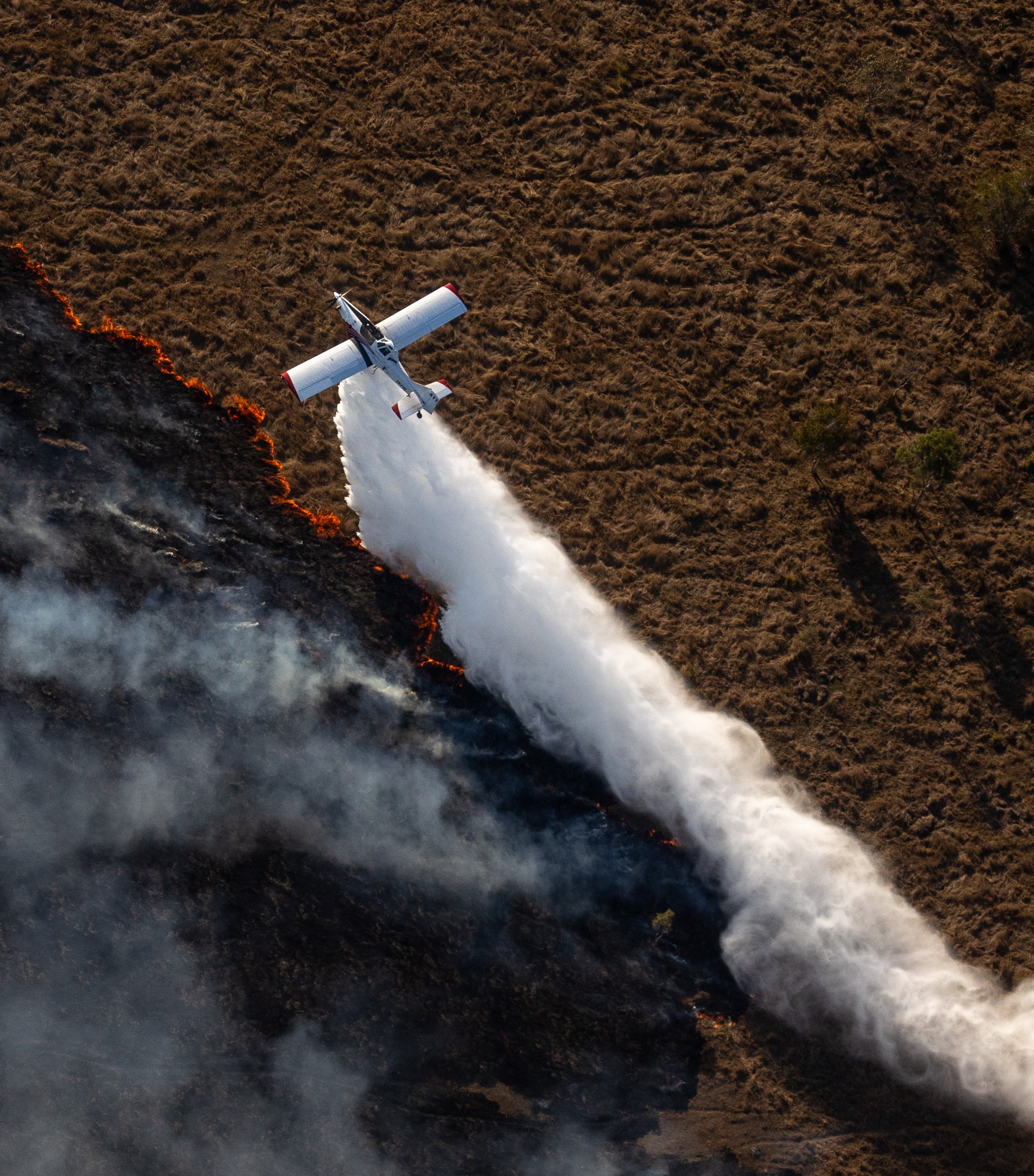
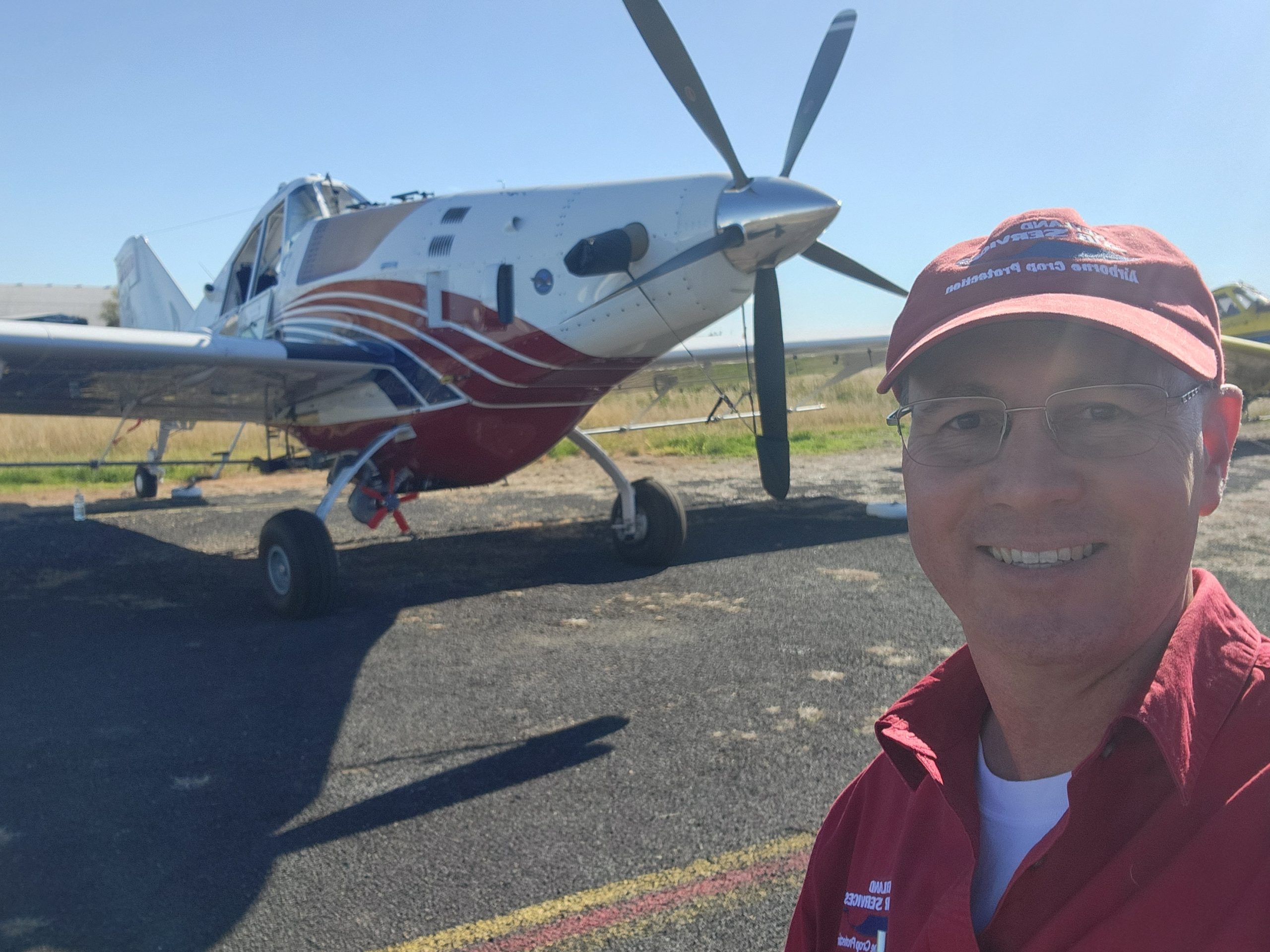
When it comes to understanding the risks, Frank Drinan is about as well versed as they come. A second-generation agricultural pilot, Frank has amassed more than 8,000 hours of flight time and runs Keyland Air Services, an aerial application operation based in Dalby, Queensland.

Frank’s message is a simple one, ‘Leave it to the professionals.’

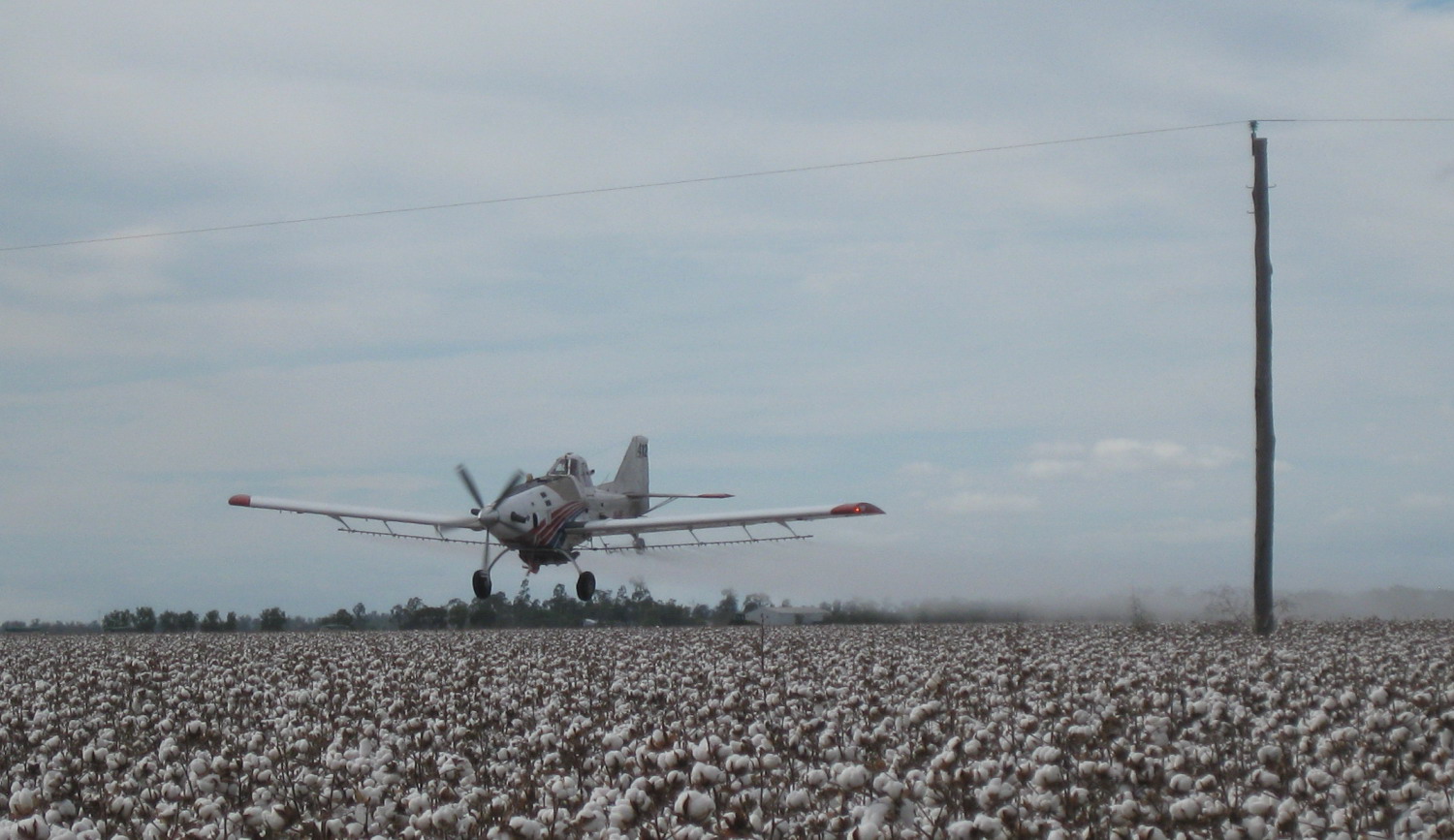
In the context of how risk managed these operations are, it’s easy to understand why trying low flying on a whim, without training, is never a good idea. Low flying carries – obstacles, increased turbulence and potentially, other low-flying aircraft such as remotely piloted aircraft systems (RPAS) or drones. It also dramatically curtails available options in an emergency, such as an engine failure or power loss.

Frank is also president of the Aerial Application Association of Australia whose membership represents more than 90% of aerial application aircraft in Australia.

The association has an active role in training the next generation and Frank quickly identifies that managing the risks of low flying starts with quality training. New ag pilots are, after gaining a commercial pilot licence, under more than 40 hours of training just to get an aerial application rating, the basic qualification that permits low flying for application of various products to crops and agriculture.

But it’s what happens next that is a textbook lesson for anyone considering low flying.

Learning continues after the rating. ‘It’s a controlled environment for new pilots, even after the 40 hours of training,’ Frank says. ‘To get to be unsupervised ag pilot – it’s then a minimum of 110 hours of supervision on the job.’

image: Frank Drinan

Risk management is fundamental to this type of flying. ‘Even as experienced ag pilots, we’re not going out and jumping straight into a paddock. We’ve got a safety management process, and there’s a risk assessment done at the base before the job even gets to a pilot.’

On location, this process continues. ‘When we get to the paddock, we’ve got a map of the site which will include hazards like powerlines and towers,’ Frank says. ‘Then the pre-application checklist and inspection is conducted to identify those and any other hazards in the paddock. We might do 2 or 3 inspection orbits before starting our first run. It’s a very structured approach to the job.’

CASR 91.265 and 91.267 essentially set the floor at 1, 000 feet AGL for flight over a populous area and 500 feet AGL otherwise. Both regulations go on to set out limited circumstances where flight below these heights is acceptable – take-off, landing, certain training or if you have the appropriate approvals and ratings to fly lower.

‘If you’ve got someone with a PPL (private pilot licence) that thinks it’s a great idea to beat up (does a low pass over) at low level – they’re going into unchartered territory,’ Frank says.

‘You see it time and time again. So many people overextend their capabilities to do stupid things. It ends up in tragedy, and it’s not just them. It’s the other people on board. It’s the family, it’s the community. It’s just not worth it.’

Frank hits on a misconception that ag pilots are doing low flying for the sake of it. ‘If one of our pilots goes and beats up a tractor, as an example, they’re out the door,’ he says. ‘That’s not even a risk that we take, and we’re out flying low every single day.’

Non-controlled operations is one of the special topics on our Pilot safety hub.

Ups and downs: managing the risks of a belly landing

0

Retractable landing gear may mean faster flight and better fuel consumption, but its complexity adds risk. However, there are lessons to be learnt from landing gear failures and tips to help you manage.

Some undercarriage gear failures occur during landing without warning; then there are failures the pilot figures out before they touch down. In these instances, there can be enough time to think and manage the situation.

According to ATSB data from 2003 to 2023, of 14,162 general aviation operational occurrences reported, 243 were a ‘wheels-up’ landing (including ‘collapsed on landing’ occurrences). Of the 22,281 commercial aviation operational occurrences reported, 78 were a ‘wheels-up’ landing. That’s 321 across both sectors, more than one a month.

Of those occurrences, 314 reported nil injuries, 7 minor injuries, and nil serious or fatal injuries. Statistically at least, a gear-up, or partial gear-up, landing is rare – and survivable.

Many of the reported occurrences were unexpected, caused by simple human error. Pilots reported they ‘did not’, ‘forgot to’ or ‘omitted to’ extend the landing gear. Of those occurrences, distraction is often cited as the preliminary cause:

  • Exmouth, WA, 2014: on final approach, the pilot of a Mooney M-20 became distracted by kangaroos on the runway and did not extend the landing gear.
  • Northam, WA, 2014: the crew became distracted by radio communications and forgot to lower the landing gear.
  • Gove Aerodrome, NT, 2014: a Cessna 210 pilot, distracted by the engine running rough and electrical issues, observed the flaps had failed to lower but did not notice the landing gear had not extended.

These instances simply highlight the importance of checklists and pre-landing checks.

However, despite many unexpected incidents, there were just as many where the pilot received an unsafe gear indication, visually detected that the gear was not down, or did not hear gear lock into place.

A hard grind: case studies

Don Gordon, a Melbourne pilot, performed an emergency belly landing in a twin-engine Piper Aztec at Moorabbin Airport in the late 1970s. A broken link in one of the retraction units meant he ‘never got a light’ to indicate the wheels were down. He remembers the moment he realised the situation, after attempting all the troubleshooting and emergency extension procedures from the handbook and flying around for a while talking to tower. ‘I had no option but to figure out how to safely put it on the ground!’ he says.

I had no option but to figure out how to safely put it on the ground!

‘You go into procedure mode. You just have to remain calm and consider every option, everything that might matter for a safe landing. Wind, angle of descent, control surfaces, the possibility of having to go around, fuel, the runway surface, the speed you want to touch down at … It’s all going through your head. And then you just have to do it.’

Recently, a short flight out of Aldinga Airfield, in South Australia, ended with a wheels-up landing for Ron Logan, an instructor with 30-years’ flight experience. ‘There were lots of lessons that day,’ he says. ‘The first one was a small but good lesson.’

The planned ten-minute flight to check an autopilot issue in a Baron turned out to be nearly 2 hours in the air, burning off a significant fuel load and co-ordinating with emergency services for the safest possible wheels-up landing.

On approach, Logan didn’t get the 3 green lights. After troubleshooting and ‘jiggling the aircraft around a bit’, he felt lucky to have a bluetooth headset. He phoned the airfield’s chief engineer, who visually confirmed one leg was not down. ‘Well, if I can’t have them all down, I will have to have them all up,’ Logan thought. Thankfully, the emergency extension procedure operated in reverse to retract the gear that was down.

Logan then set up a normal approach as a test. ‘That’s when I discovered I also didn’t have flaps!’

With no operational flaps or landing gear, he was convinced it was an electrical fault. Flying a faulty aircraft to Adelaide, over densely populated areas, wasn’t a good option. Aldinga was it, and he declared an emergency.

Although balancing the aircraft’s flapless speed to be slow enough without stalling proved challenging, Logan ultimately walked away from what could be described as a ‘textbook’ belly landing – although there’s simply no textbook on how to do it.

All the pilots interviewed described their state of mind while preparing for a belly landing as procedural or calm, relying on their training and emergency mindset.

Most described the touchdown itself as ‘pretty routine’, that is, until the aircraft began to slide to a stop:

  • The landing itself felt normal until it slowed down. It hit the ground first at the back near the rear door and you could really hear the scraping.
  • A bit like slamming the brakes on in a car.
  • I still had some rudder but lost a bit of directional control.

Many modes: retractable failures

Like shoulders or hips, retractable undercarriages are complex engineering designs with multiple possible points of failure. Depending on the cause, one landing gear unit can fail, more than one, or all.

The ATSB database reveals various causes of landing gear failures:

  • an electrical solenoid in the down lock failed
  • faulty landing gear motor
  • hydraulic flare fitting had failed on the landing gear pressure line
  • wear on the landing gear door
  • left-gear actuator had fractured
  • a wasp nest blocking the static port in the landing gear powerhead
  • stuck microswitch in the landing gear system
  • a retaining pin had failed allowing the undercarriage pivot pin to dislodge.

The retractable gear engineering, and their emergency procedures and systems, vary across aircraft types. And the mitigating circumstances in a wheels-up landing – weather, runway condition, fuel reserves, other traffic issues, human factors, etc – are never the same.

Pilots of retractable aircraft are trained to use the emergency gear system but if that doesn’t work, it becomes their responsibility to figure out the pertinent factors and plan to land.

Tea time: your Jack Absolom moment

In moments of trouble, a pilot friend of mine has a saying, ‘Let’s have an Absolom moment’. Jack Absolom was an iconic Aussie TV presenter in the 1970s and 1980s, travelling to remote outback locations in his Chrysler Sigma, describing bush survival techniques on his show, Absolom’s Outback.

His signature advice in an emergency (no, this isn’t a Russell Coight thing) was, ‘Now, before you do anything – stop and think. Find some shade, make a billy of tea and have a good think about it all.’ As pilots, we can’t pull up somewhere shady, nor make a billy of tea. But we can try and find some clean air, take a few calming breaths, a swig from our water bottle and we might have time to have a big think.

Drawn from the lived-experience interviews and the ATSB’s occurrence summaries, here are some things to consider. By no means is this a list of every piece of information you may need – each pilot, aircraft and situation have different considerations – but it’s a start to get you imagining what you might need to think about or do. (Aviate. Navigate. Communicate.)

Note: It’s up to you to declare an emergency – doing so allows ATC to allocate you priority status, notify emergency agencies and other actions as needed.

You’ve discovered a landing-gear malfunction

If you’re on approach, then go around, manage the aircraft configuration, ascertain fuel level and, if possible, or necessary, navigate to clear airspace. If in controlled airspace, contact tower. Can they ascertain the status of the undercarriage? If you’re at a smaller airfield, perhaps someone on the ground can help?

Adopt an emergency mindset – doing so can put you in the right frame of mind where training and practising for emergencies kicks in, allowing you to focus on the task at hand. And put people first. If you’re prioritising actions that reduce damage to the aircraft, you will increase your workload and decrease the margin for error, de-prioritising human life. Damage to the aircraft should not be your main consideration but keeping it intact will mean you and your passengers have a better chance.

Troubleshoot circuit breakers, switches, loose, knocked, jammed or stuck levers, cables or handles. Can you phone the operator or maintenance organisation?

Use the relevant pilot’s operating handbook or aircraft flight manual to find the emergency gear extension procedure.

Emergency gear extension procedures can be complicated and exhausting; Bonanza emergency release gear requires around 50 turns to extend fully. In a GAF Nomad, you had to pump a lever 140 times! And you still have to fly the plane, monitor fuel and be situationally aware.

When the gear fault cannot be rectified

Workload: reduce workload to the immediate task at hand (for example, landing with wheels not in the correct configuration). Can you delegate any tasks?

Airfield: divert to another airfield. Are there better options available elsewhere, such as better wind conditions or runway options, or emergency services? (ATC can assist.) Do you have enough fuel to do so? If staying is better, do you need to burn off fuel?

Most described the touchdown itself as ‘pretty routine’, that is, until the aircraft began to slide to a stop.

Landing gear configuration: would a partial wheels-up landing be safer than a belly landing? Are there parts of the fuselage that might impede or affect the landing? (Logan’s Baron had a footstep that scraped on the ground as it landed, causing it to veer slightly right).

Fuselage and control surface landing configuration: nose attitude, flaps, airbrakes, trims, wings level? If one wing touches first, what veering might be experienced? Rudder control?

Approach: reduction of speed without the added drag of landing gear? What about going around if you’re too fast on approach? Approach angle? Should you extend final with a flatter approach? Where’s the best touch down point? Stall speed matters – belly flopping into the runway could be disastrous. Do some test approaches.

Runway: consider length and surface. Bitumen might pull you up quicker, but friction of metal on tarmac may cause sparks. What might the slide look like on emergency foam? Grass might offer less friction but wet grass can be slippery and the aircraft might slide into trouble or veer suddenly if potholes or bumps catch on the fuselage or propeller.

Emergency landing procedures: review the aircraft’s emergency procedures: magnetos, master, mixture, fuel cock, harnesses, hatches. Plan how to exit the aircraft as swiftly as possible.

Sanity checks: Breathe and ask yourself: does what I’m proposing make my landing as safe as possible? Is it really a good idea? Discuss your plan with whoever you need to.

Plan the landing and fly the plan

Unlike other types of emergencies, a wheels-up or partial wheels-up landing with sufficient warning may mean you have the luxury of some time to plan how to survive the landing. If only you could find some shade and boil a billy.

A ‘textbook’ response to a landing gear failure, courtesy ATSB:

On 11 November 2014, at about 1130 Eastern Standard Time, a Cessna 210 aircraft, registered VH-JGA (JGA), departed from Cairns Airport, Queensland, for a scenic flight over Green Island and Arlington Reef with the pilot and 4 passengers on board. After about half an hour of local flying, the pilot returned JGA to Cairns Airport. During the approach, at about 1,000 ft above ground level, the pilot selected the landing gear down; however, the green landing gear down indicator light did not illuminate.

The pilot advised the Cairns Tower air traffic controller that JGA would conduct a missed approach and requested a clearance to hold over the sea to determine the reason for the malfunction. While holding over the sea, in the vicinity of Cairns Airport, at about 1,000 ft, the pilot conducted a landing gear emergency extension, but the left main landing gear still did not lock in the down position.

The pilot contacted the operator and maintenance organisation via a mobile phone and conducted extensive troubleshooting but was unable to get the left main landing gear to lock in the down position. The pilot of JGA conducted 2 practice approaches to assess the aircraft configuration and landing area before beginning the approach for a wheels-up landing.

The pilot extended the flaps to help slow the aircraft and, after turning onto a long final, briefed the passengers for the landing and instructed them to take up the brace position. Just prior to touchdown, the pilot turned off the master switch and moved the engine mixture control to the cut-off position. At about 1416, the aircraft landed on the fuselage underside on the grass area abeam runway 33 and came to a stop. The pilot and 4 passengers were uninjured and the aircraft was substantially damaged.

image: (modified) Adobe Stock | Oleg Znamenskiy

Carbon monoxide: a winter hazard

Detection technology is your best defence against this sly subtle menace

The temperature has well and truly dropped in many parts of the country. Clear, crisp and frosty mornings dominate the landscape. Depending on where you live, you might be spending 10 minutes or so scraping the ice off the windscreen of your car – or aircraft.

Winter is an excellent time for flying, with cooler days providing ideal flying conditions. Pilots often experience better aircraft performance in cold weather.

Cooler air is denser than warmer air, which contributes to better engine performance, climb rate and take-off distance.

Despite its advantages, winter flying can also present challenges. One is the increased risk of carbon monoxide (CO) exposure from internal cabin heating, particularly if the heating ducts and climate control system haven’t been used for some time. Cracks might have formed during this time, compromising their integrity.

Like with anything sitting idly for long periods of time, as soon as you start using them again, they can initially be a bit shaky. Think an old car that hasn’t been turned on for a while, and even your jelly legs when you get up from your seat after a long-haul flight.

The heating components in a light piston engine aircraft are no different.

As an aircraft climbs, the outside air temperate drops by 2° C for every 1,000 feet gained so the pilot may turn on the heater.

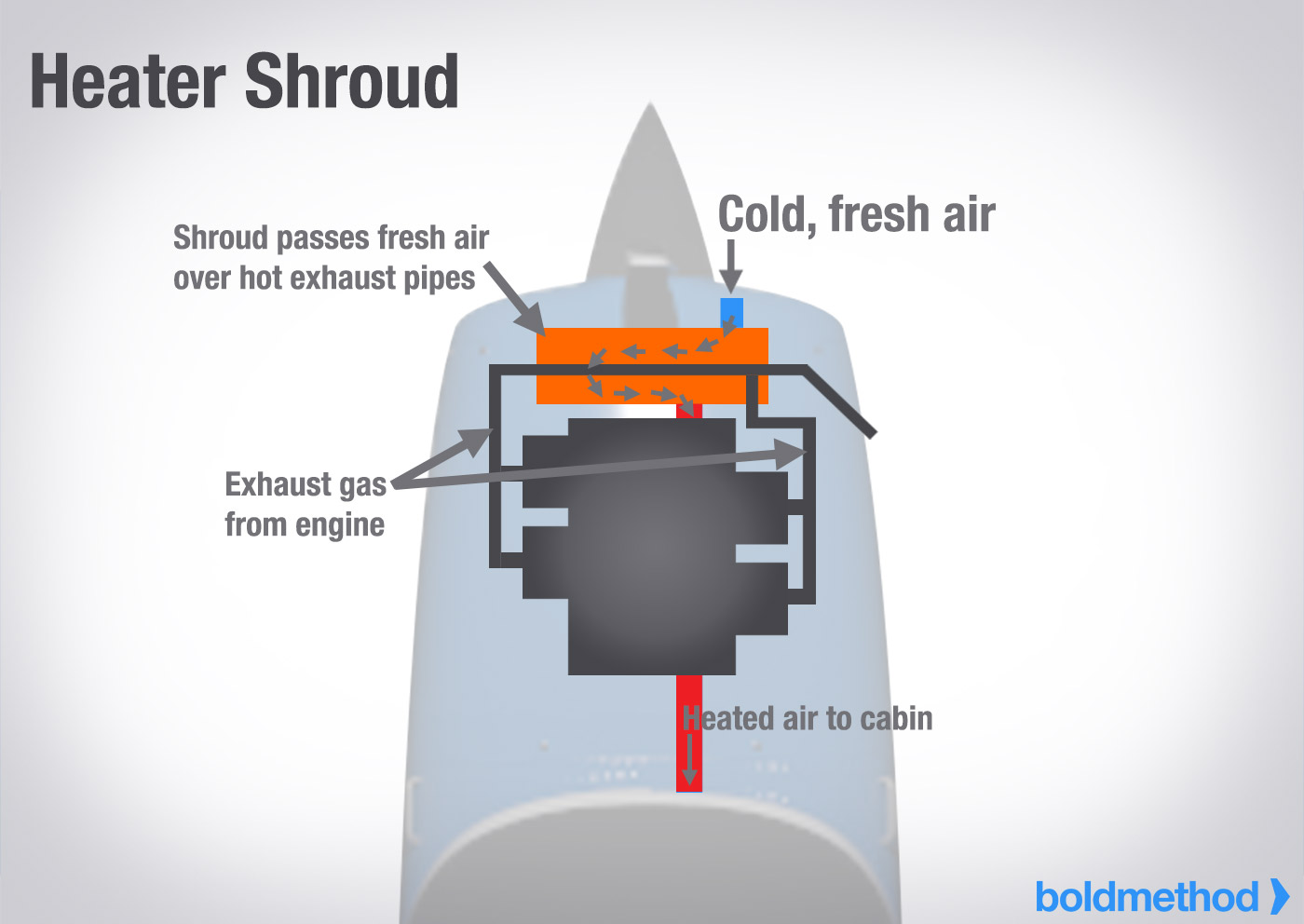
In most single-engine piston aircraft, heat to warm the cabin is generated when air enters the heating shroud. The air is heated when it passes over hot exhaust pipes, then it is directed through the ducts and into the cabin.

However, there is danger if cracks or abrasions have formed on the muffler since heating system was last used. Even a slight crack can cause engine exhaust to mix with the fresh air, allowing CO to enter the cabin.

Process of heating air for cabin comfort in single-engine piston aircraft. Image: Boldmethod.

Low-level exposure to this gas can cause headaches, nausea, dizziness and drowsiness. High-level exposure can cause shortness of breath, blurred vision, confusion, unconsciousness and even death – if not from the CO itself, then from the aircraft crashing.

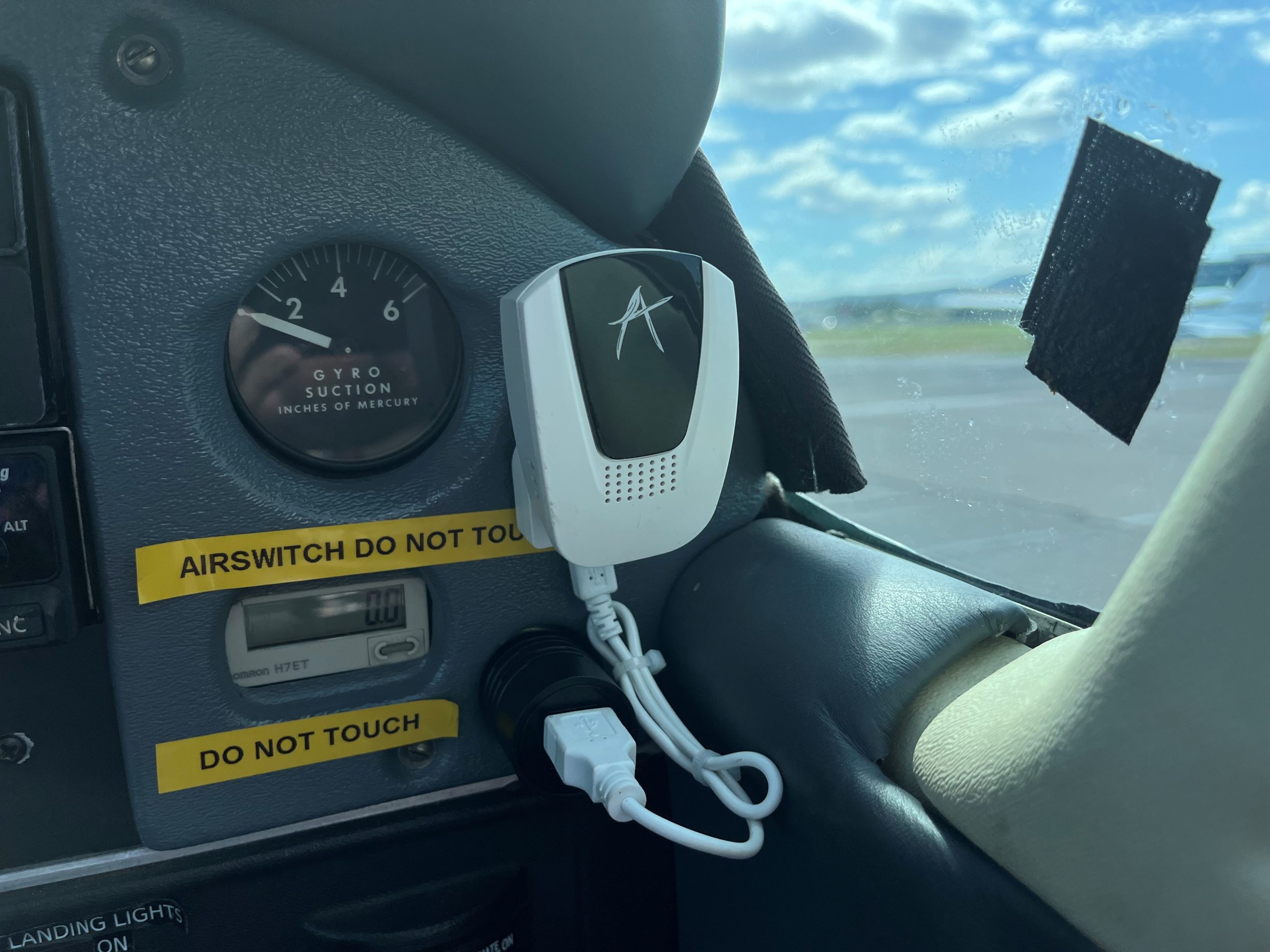
To avoid long-term exposure to CO, it is important all piston engine aircraft – but especially single-engine piston aircraft, where the engine sits directly in front of you – are fitted with an active (electronic) CO detector. They can sense the presence of CO even at the lowest levels, giving the pilot time to land the aircraft safely before the effects of the poisonous gas take hold.

Even if there is already a detector fitted, pilots are encouraged to carry a portable unit as well. There is no such thing as having too many fail-safes!

USB-powered active carbon monoxide detector in an aircraft. Image: Canberra Aero Club.

Double your safety

Safety manager and pilot with Flinders Island Aviation Jaime Taylor has many hours experience flying in cold weather frequently experienced in Tasmania, and recently participated in an AvSafety webinar run by CASA about flying in winter conditions.

‘Here in Tasmania, we experience colder conditions than much of the rest of the country,’ he says. ‘Usually, our winter flying can last from March until September of any given year.

‘One of the most critical things to remember about winter flying is the need to use carbon monoxide detectors in the aircraft.’

Taylor says it is essential that pilots who intend to fly in winter conditions are aware of the dangers, and recommends using two carbon detectors, for redundancy.

‘I buy a redundancy detector every year, just in case… And there is no better time than the start of winter!’

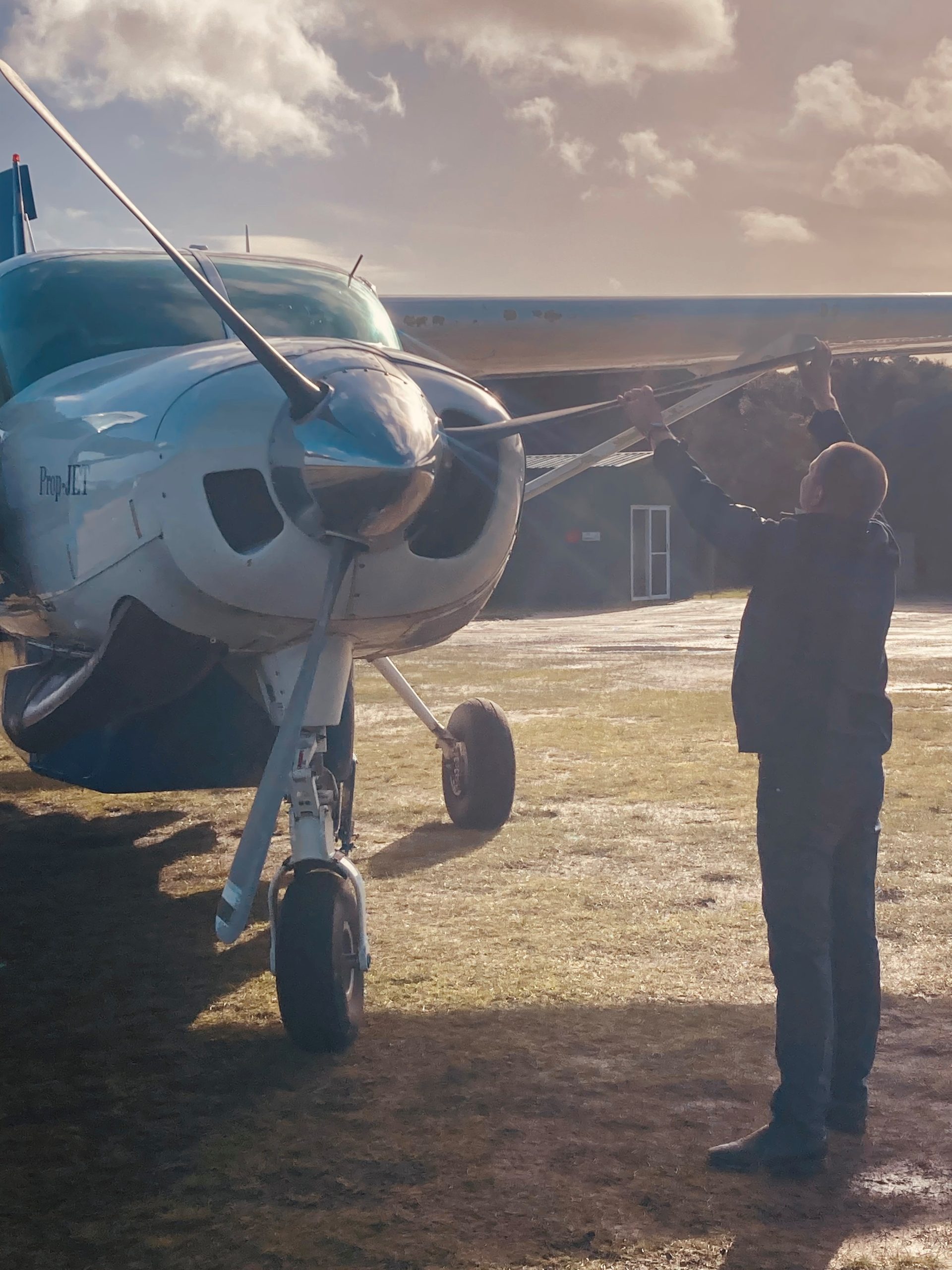
Jaime Taylor makes an early morning pre-flight check.

Top tips if CO is detected in the cabin

But what happens if your active detector does pick up the presence of CO? Here are some tips for what you should do if your detector goes off during flight.

  1. Turn off the heat coming into the cabin

Carbon monoxide gas is streaming in from over the engines, pumping out exhaust fumes. Closing the heating valves will slow down this process.

  1. Open the aircraft’s fresh air vents and cabin windows

Allowing fresh air to flow into the cabin will dissipate any build-up of CO gas.

  1. Inform air traffic control

It is vital you tell ATC about your situation so they can prioritise your landing and potentially arrange for medical services when you land.

  1. Land the aircraft as soon as possible

Head for the nearest airfield. The debilitating effects of CO exposure can take hold extremely quickly, so it is important you make landing a priority. If there are no airfields in the vicinity, look for an empty paddock to set down.

  1. Get urgent medical attention

Even if you feel fine, you still could have been exposed to high levels of CO. Call for medical assistance as soon as you land. If at an airfield, ATC can arrange this. If you are in a remote area, call for assistance using your mobile phone or your radio.

Remember, if you’ve been exposed to carbon monoxide, you can’t just necessarily ‘walk it off’. There could be some underlying symptoms that could affect your cognition later.

Further information

For more information about CO detectors and other things to look out for when flying during winter, watch our latest AvSafety webinar.

Visit the Pilot safety hub for all the latest on controlled aerodromes and operations.

Useful links