

Home Search
airport safety - search results
If you're not happy with the results, please do another search

Carbon monoxide signs in crash passenger’s blood
Football player Emiliano Sala had a high level of carbon monoxide in his blood before the aircraft he was travelling in crashed, the United...

Hypoxia lulled pilot into fatal error
Hypoxia indirectly killed the crew of a Canadian survey aircraft, the country’s Transportation Safety Board (TSB) has found in a recent report. The crew...
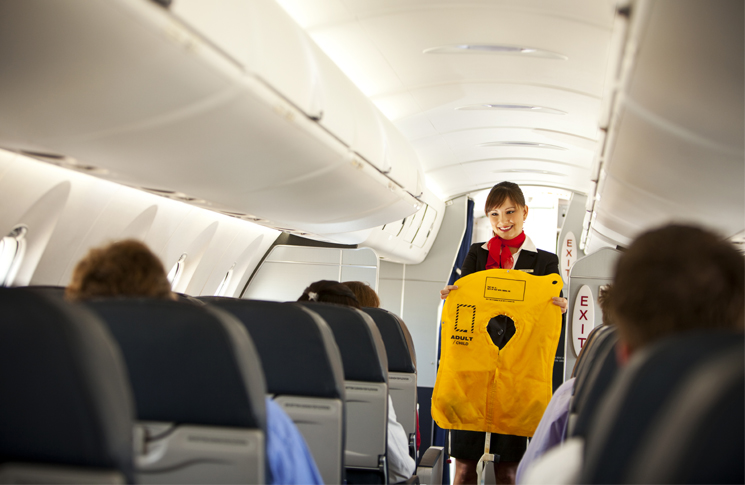
Cabin crew: We’re human too
Cabin crew contributor Patricia Green points out that human factors and crew resource management are concepts that extend well beyond the flight deck
Human factors...

Tyre burst highlights foreign object hazard
A recently reported incident involving a medevac flight is a reminder of the hazard posed by foreign object debris (FOD) on runways and taxiways.
An...

Resourceful United crew set example of airmanship
Today is the thirtieth anniversary of a crash that demonstrated beyond all doubt that crew resource management (CRM) is a lifesaving concept.
On July 19,...

A brutal hazing
Flight Safety Australia reader Nic Barnes discovers things are different up north
As a VFR private pilot from Adelaide, I have enjoyed many years of...

‘Smoke and flames’ from charger on airline seat
The latest case of an in-flight lithium-ion device fire highlights the dangers these near-universal portable power sources continue to pose.
Virgin Atlantic flight 138 was...

International accidents 24 April – 24 May 2019
Date 3 May (images above)
Aircraft Boeing 737-81Q (WL)
Location Jacksonville Naval Air Station, FL (NIP), USA
Fatalities Nil
Description The aircraft experienced a runway overrun upon landing...
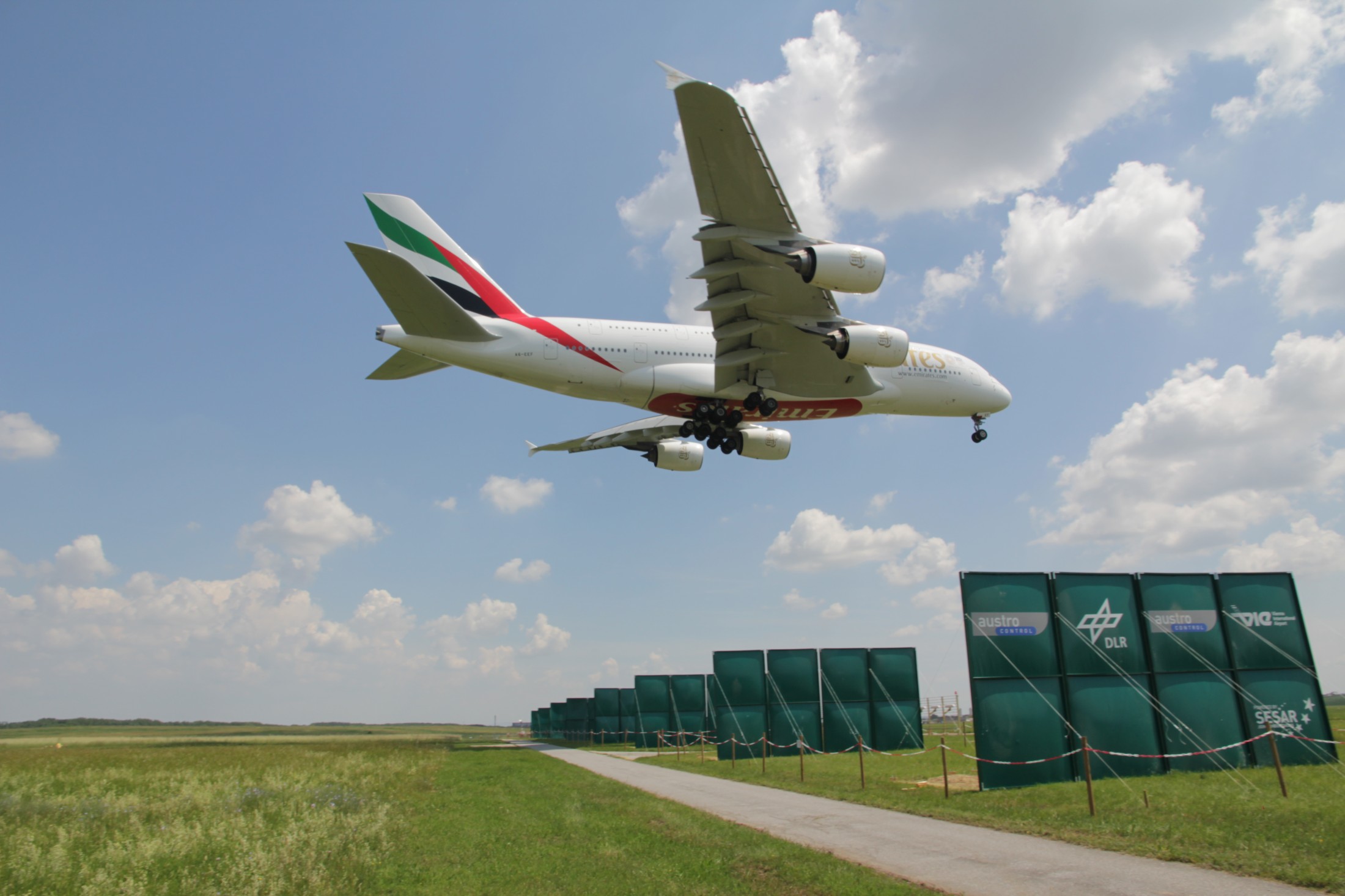
Windbreaks cut wake vortexes
They may look like the windbreaks British holidaymakers put up to avoid hypothermia on their frigid, stony beaches, but these tent-like structures are Vienna...
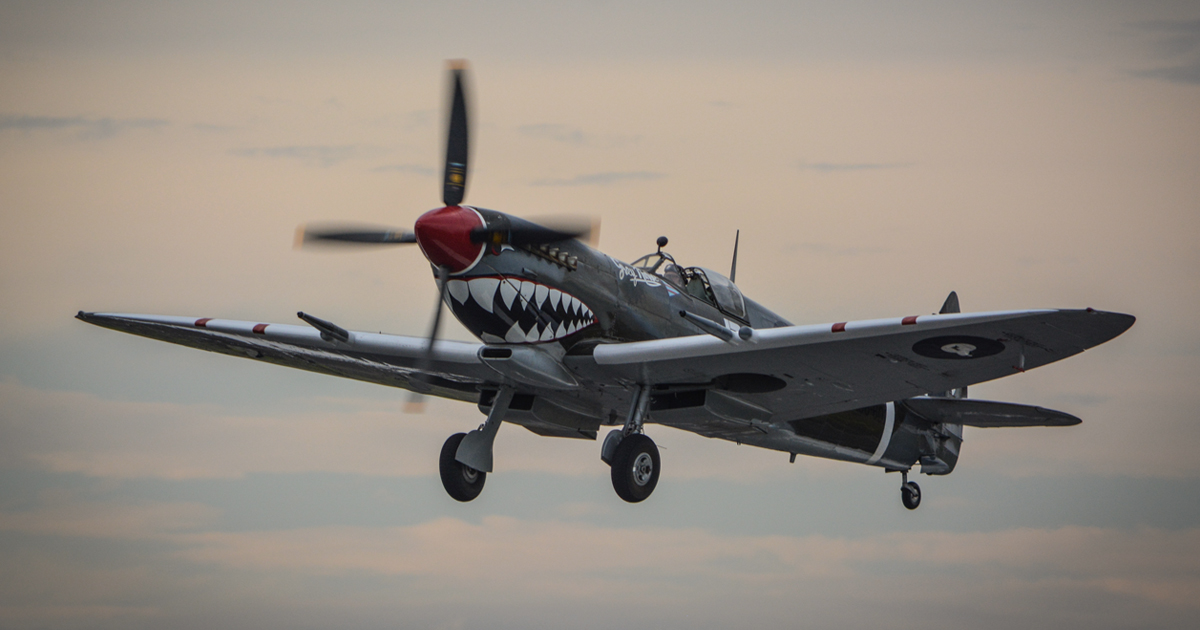
Patching the wings of time
From Flight Safety Australia May-June 2013
The warbird movement has been dealing with ageing aircraft issues for decades. Along the way, its operators have learned...
